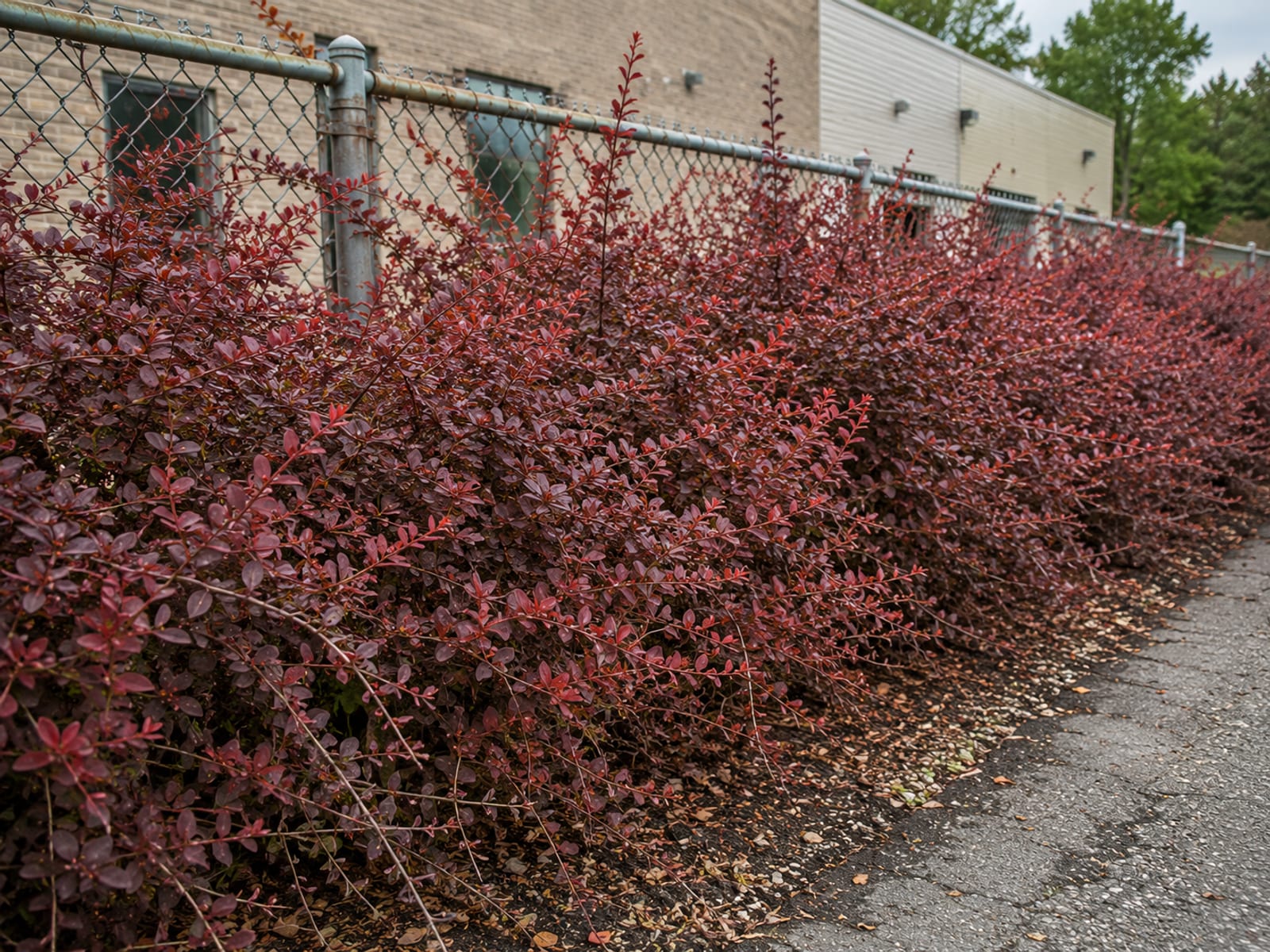
Shrub removal demand is up across the region, and a lot of it is being pushed by regulations you may not know about yet. Connecticut passed Public Act 25-126 in 2025, which added new invasive species to the state's prohibited plant list. Callery pear, a tree-like shrub planted widely for decades, is prohibited from sale in CT as of October 2027. Japanese barberry, Japanese angelica tree, and burning bush are all on prohibited or regulated lists across CT, MA, and NY. If you have these on your property and you manage a commercial site, oversee multiple properties, or are planning to resell, getting ahead of removal is the smart move.
There is also a health angle that gets overlooked. Research from UConn confirmed that Japanese barberry creates a humid microclimate at ground level that is ideal for ticks. In areas where barberry was removed, tick populations dropped measurably. That matters if you manage a property with outdoor foot traffic, whether it is a commercial campus, a residential community, or a park-adjacent lot.
Beyond regulation and health, the most common reasons property owners call for shrub removal are straightforward: the shrubs have outgrown the space, they are blocking sight lines or signage, they are damaging a fence or structure, or the property is being cleared for a renovation, new construction, or a fresh landscaping plan.