Surface Protection
Paint acts as a barrier against moisture, UV damage, and general wear. On wood exteriors especially, a quality coat slows the breakdown of the material underneath and can delay costly repairs like rot replacement or siding work.
Services
Interior and exterior painting for residential and commercial properties across Connecticut, Springfield MA, and Albany NY. Clean prep, quality materials, and finishes that actually last.
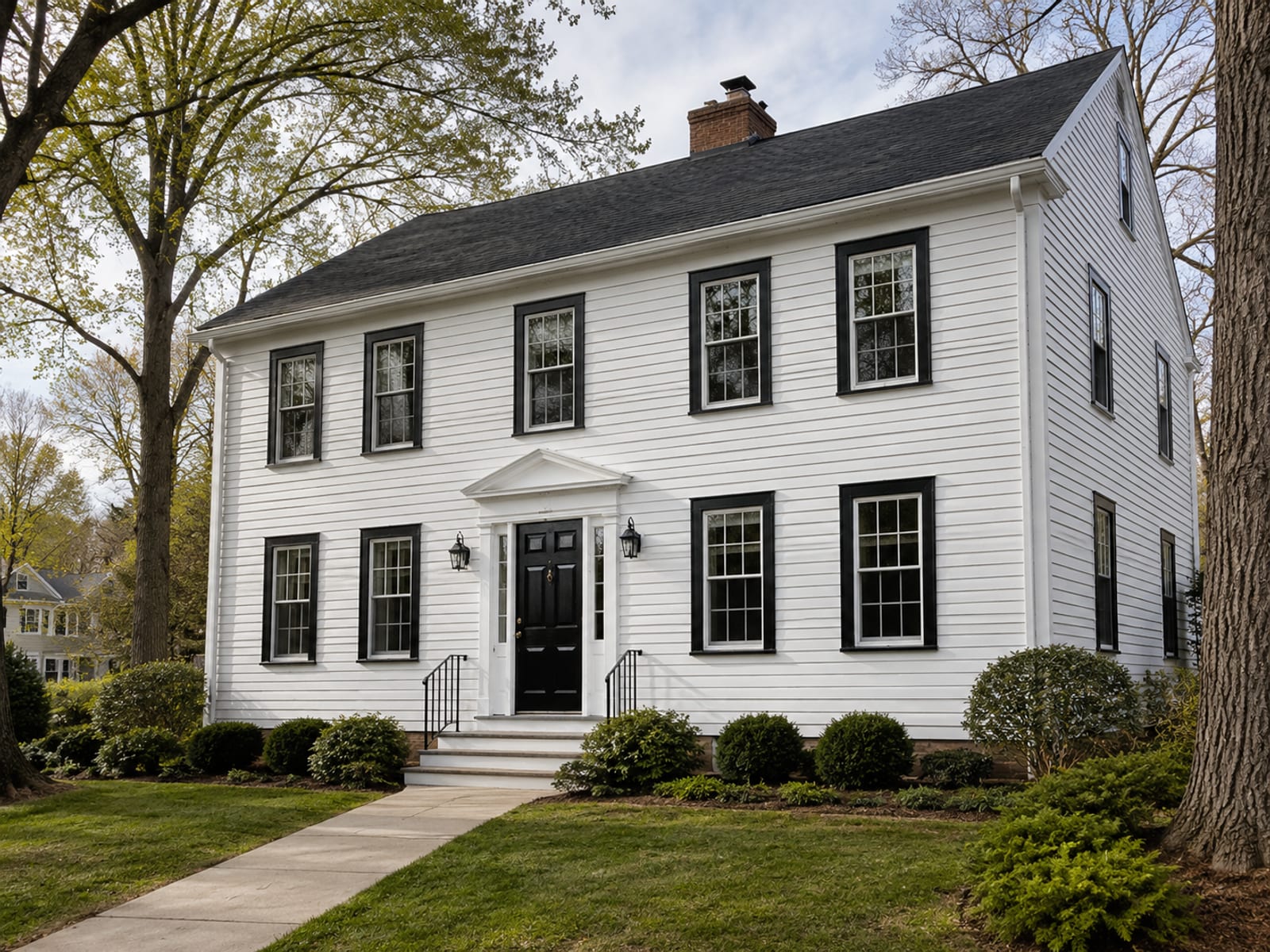
Professional painting is more than rolling color on a wall. When you hire DLD Home Improvements for a painting project, you get full surface preparation, priming where needed, two-coat application as the industry standard, and a finished result that's consistent in sheen, coverage, and color across every surface. Whether it's a single interior room, a full exterior repaint, or a commercial build-out requiring durable finishes, the scope covers the complete job from drop cloths to cleanup. Most residential interior projects are completed in one to three days depending on square footage, while exterior work and commercial spaces are scoped individually based on surface condition, size, and access.
The difference between a paint job that looks great at first and one that holds up over years comes down to what happens before the brush ever touches the wall. Peeling paint needs to be scraped and feathered. Holes and cracks need to be filled and sanded smooth. Bare wood needs a proper primer coat. When those steps get skipped, even expensive paint fails early. At DLD Home Improvements, prep work is part of the job, not an add-on.
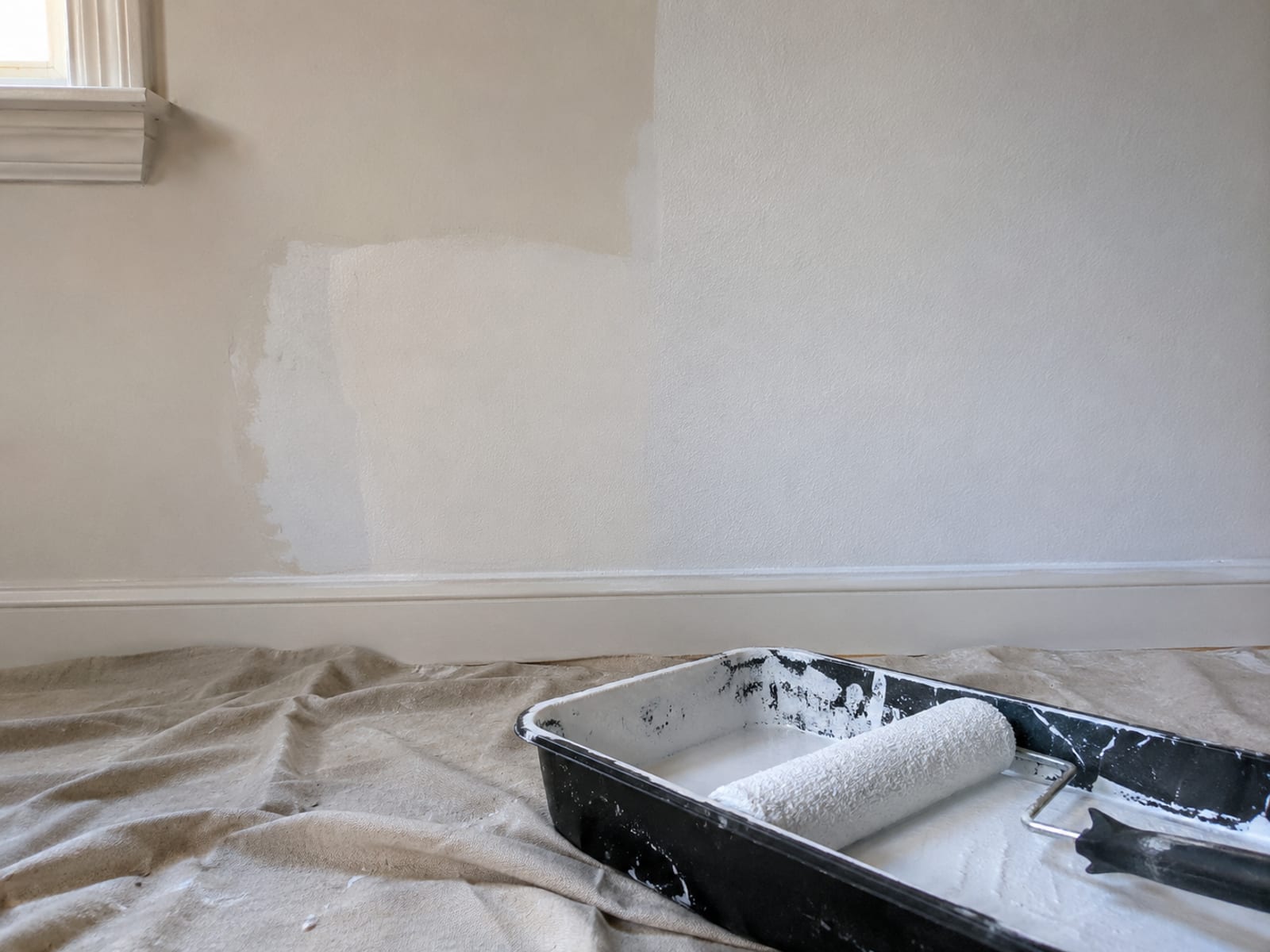
Interior painting covers walls, ceilings, trim, doors, and built-in features like shelving or cabinetry. Low-VOC and zero-VOC paints have become the standard in residential interiors because they produce significantly less off-gassing and improve indoor air quality after the job is done. You get the same color depth and sheen options, without the heavy fume load that older formulations carried.
Exterior painting is a different undertaking. The paint needs to handle UV exposure, moisture, freezing temperatures, and everything else the Northeast delivers through the year. Surface preparation for exteriors often involves power washing first to remove dirt, mildew, and loose paint before any coating goes on. Wood siding, trim, shutters, doors, and masonry each require different primers and topcoats to bond correctly. Getting product selection right for the specific substrate comes from experience with regional conditions, not just reading product labels.
Commercial properties add another layer. Warehouses, office spaces, retail storefronts, and multi-unit buildings often need low-odor formulations to stay operational during painting, faster dry times between coats to minimize downtime, and finishes durable enough for high-traffic areas like hallways, stairwells, and common spaces. DLD Home Improvements handles both residential and commercial painting across the region, and the scope gets defined clearly before work begins so there are no surprises.
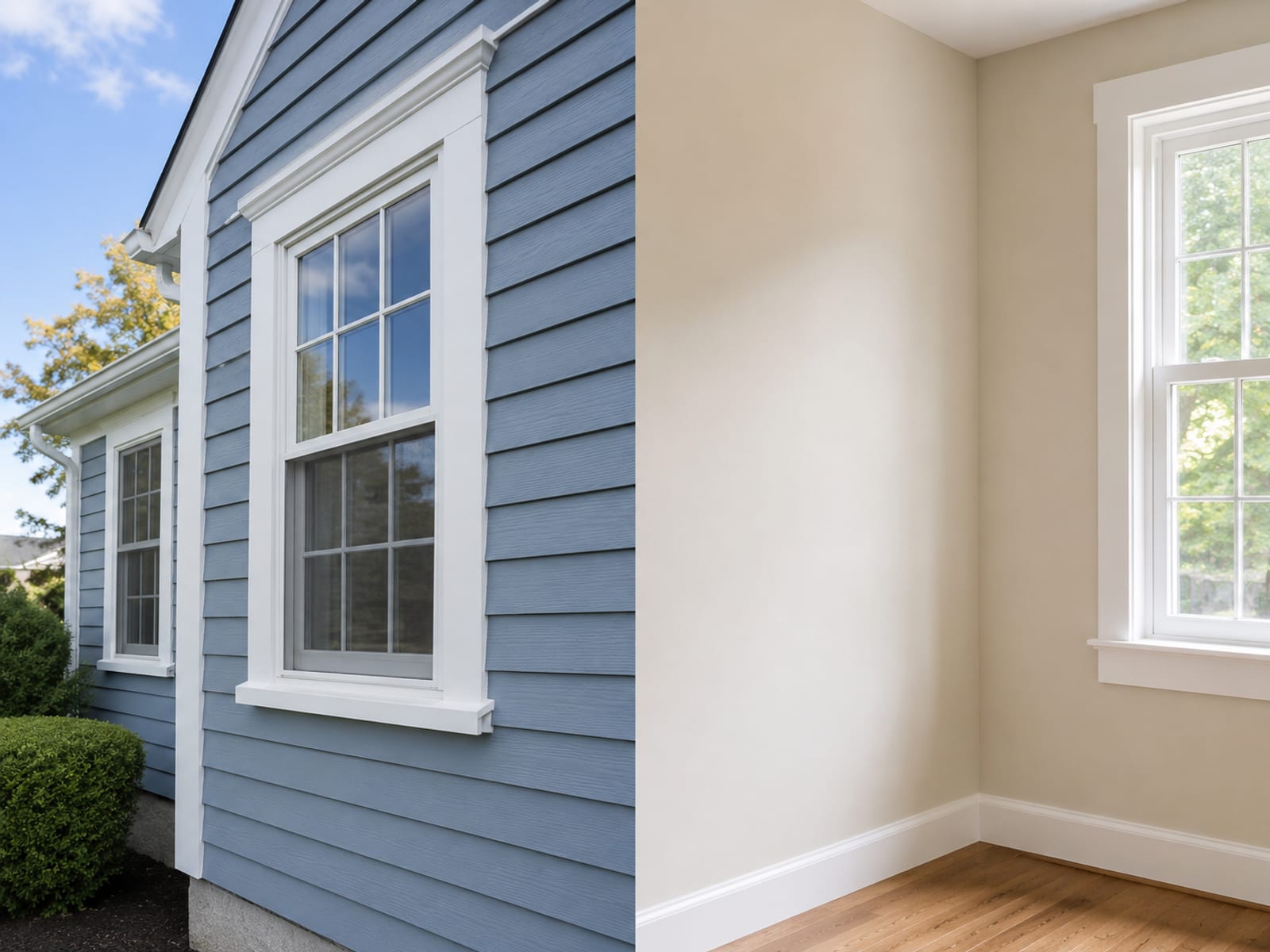
Fresh paint does more than change a color. It protects surfaces, updates the look of a space, and affects property value and tenant or buyer perception. These are the practical benefits property owners and managers see most.
Paint acts as a barrier against moisture, UV damage, and general wear. On wood exteriors especially, a quality coat slows the breakdown of the material underneath and can delay costly repairs like rot replacement or siding work.
Repainting with low-VOC or zero-VOC products reduces the off-gassing that comes from older paint sitting on walls for years. Fresh low-VOC paint also contains odor-reducing compounds that break down airborne odor molecules over time.
Color trends in the region have shifted away from cool gray toward warmer tones, nature-inspired greens, and bolder accent choices. Repainting gives a property a current look without the cost of structural renovation.
A fresh, clean paint job is one of the highest-return investments in residential real estate. For commercial properties, it signals to tenants and clients that the space is well-maintained and professionally managed.
Pre-1978 properties in CT, MA, and NY are subject to EPA Renovation, Repair, and Painting (RRP) Rule requirements. A properly scoped repaint with compliant practices addresses deteriorating lead paint before it becomes a liability or health hazard.
Two-coat application over properly primed surfaces extends the life of the paint job significantly compared to a single coat. Doing the job right the first time means fewer repaints and lower long-term cost.
The process follows a clear sequence so you know what to expect at each stage and the finished work meets a consistent standard.
Before any pricing or scheduling, DLD Home Improvements walks the project with you. Interior surface conditions, exterior substrate types, square footage, ceiling heights, trim scope, and any areas with existing damage or lead paint risk all get assessed. The quote you receive reflects what the actual job requires.
This is where quality painting starts. Surfaces are cleaned, scraped where needed, sanded smooth, and patched for holes or cracks. Exterior work may include power washing before any coating is applied. Furniture and floors are protected before painting begins.
Bare wood, patched areas, stain-prone surfaces, and major color changes all require primer before topcoat. Skipping primer on the right surfaces leads to adhesion failure and color inconsistency. The correct primer for the substrate and product system gets applied and allowed to cure per manufacturer specs.
Two coats is the industry standard for full coverage, consistent sheen, and lasting durability. The first coat is applied and allowed to dry fully before the second coat goes on. Product selection follows the scope of the project, whether that means low-VOC interior latex, exterior acrylic, or a commercial-grade finish for high-traffic surfaces.
Doors, window trim, baseboards, crown molding, and any other detailed surfaces get careful attention with brush work. Cut lines are clean. Overspray and drips are addressed before they dry. The standard is a finish that's uniform in color, texture, and sheen with no holidays, misses, or runs.
Before the crew leaves, you walk the finished space together. All drop cloths, tape, and materials are removed. Any touch-ups identified during the walkthrough get handled on the spot. The job isn't closed out until the finished result matches what was agreed on at the start.
If you haven't repainted in a few years, the color world has moved. The cool gray that dominated interiors for most of the last decade is being replaced by warmer tones. Warm mushroom neutrals and nature-inspired colors like sage, muted olive, and earthy greens are showing up in living rooms and kitchens across the Northeast. Bedrooms are going deeper, with saturated tones like dusty plum and deep navy creating full-room saturation you'd find in a boutique hotel.
Kitchens are making a statement too. All-white cabinetry is giving way to smoky jade, deep navy, and rich earthy tones that feel current and more personal. Homeowners who want to stay closer to neutral are leaning toward warm whites and soft off-whites rather than the stark cool tones that read dated now.
On exteriors, 2026 is shaping up to be the year of the moody exterior. Dark siding colors, deep greens, charcoals, and rich navy tones with contrasting trim are gaining traction across the Northeast. It's a look that holds up well against the older architectural styles common in the region and photographs well, which matters if a sale is on the horizon.
For commercial spaces, the priority is usually durability and brand alignment rather than trend-chasing. Neutral, professional tones that hold up in high-traffic conditions and photograph cleanly for marketing materials tend to serve commercial clients best. The product selection shifts accordingly, with harder finishes and faster return-to-service times built into the plan.
There's no shortage of painters available in the region. The difference comes down to scope, reliability, and what happens when something comes up mid-project. DLD Home Improvements operates as a licensed and insured general contracting company, which means painting doesn't sit in isolation. If surface prep reveals rot, water damage, or structural issues behind the paint, the crew has the carpentry and general contracting background to address it directly rather than leaving you to find another contractor before the job can continue.
That full-service scope matters especially for property managers and building owners handling multiple sites. You're not managing a different vendor for every trade. Painting is one part of what DLD Home Improvements handles across CT, Springfield MA, and Albany NY, alongside carpentry, flooring, commercial build-outs, concrete and masonry, and more. The crew that paints your facility is the same crew you call when the next project comes up.
Lead paint compliance is another area where working with an experienced contractor protects you. Pre-1978 properties across this region are subject to EPA RRP Rule requirements, and the rules in Massachusetts and New York go beyond the federal baseline. DLD Home Improvements knows what those requirements mean for project scope, containment, and documentation, so you're not left guessing whether the work was done correctly.
Communication is direct from quote to completion. The scope is defined in writing before work starts. Schedules are set and kept. If something changes on the site, you hear about it directly, not after the fact. That approach works for homeowners running a single-room repaint and for commercial clients managing occupied buildings where disruption has a real cost.
These answers cover the specifics that don't always make it into the main description but come up regularly when clients are planning a painting project.
Large furniture should be moved away from the walls to give the crew clear access. DLD Home Improvements covers floors and remaining furniture with drop cloths, but pre-clearing the room speeds up the job and reduces the risk of anything getting bumped or marked during prep work. For commercial spaces, discuss staging with the crew during the scope review so the plan fits around your operations.
Two coats is the industry standard for most painting projects and the baseline for a finish that holds up over time. A single coat can work for touch-up or minor color refreshes over existing same-color paint, but any new color, bare surface, or previously primed area needs two full coats for consistent coverage, uniform sheen, and proper durability.
Low-VOC and zero-VOC paints produce significantly less off-gassing than traditional formulations, which matters for interior spaces where ventilation is limited, especially in homes with children or people with respiratory sensitivities. Performance has caught up with conventional paint over the past several years, so the tradeoff that used to exist in terms of coverage and durability is mostly gone at this point.
Yes. Homes and buildings built before 1978 may contain lead-based paint, and any work that disturbs that paint is subject to the EPA's Renovation, Repair, and Painting (RRP) Rule. Massachusetts and New York have additional requirements beyond the federal standard. Proper containment, work practices, and documentation are required, and DLD Home Improvements understands what those obligations mean for your specific project.
A properly applied exterior paint job on a well-prepared surface in the Northeast generally lasts seven to ten years depending on exposure, substrate type, and the quality of materials used. South-facing surfaces and areas with direct sun take more UV stress and may show wear sooner. Proper prep, primer, and two quality coats give you the best shot at the long end of that range.
Often yes, with the right planning and product selection. Low-odor or zero-VOC formulations reduce disruption for occupants, and scheduling can often be arranged around business hours, evenings, or weekends. The scope review at the start of the project is where the logistics get worked out so the painting schedule fits your operational needs rather than forcing you to shut down unnecessarily.
Yes. DLD Home Improvements handles both interior and exterior painting, and combining them on the same project is often more efficient for scheduling and logistics. When the project involves additional work like carpentry repairs, power washing, or flooring alongside painting, all of that can be coordinated under one contractor rather than managing separate crews and timelines.
Get Started
Call or email DLD Home Improvements, or request an estimate. Available Monday through Friday and weekends, 8 AM to 8 PM, with emergency service when you need it.