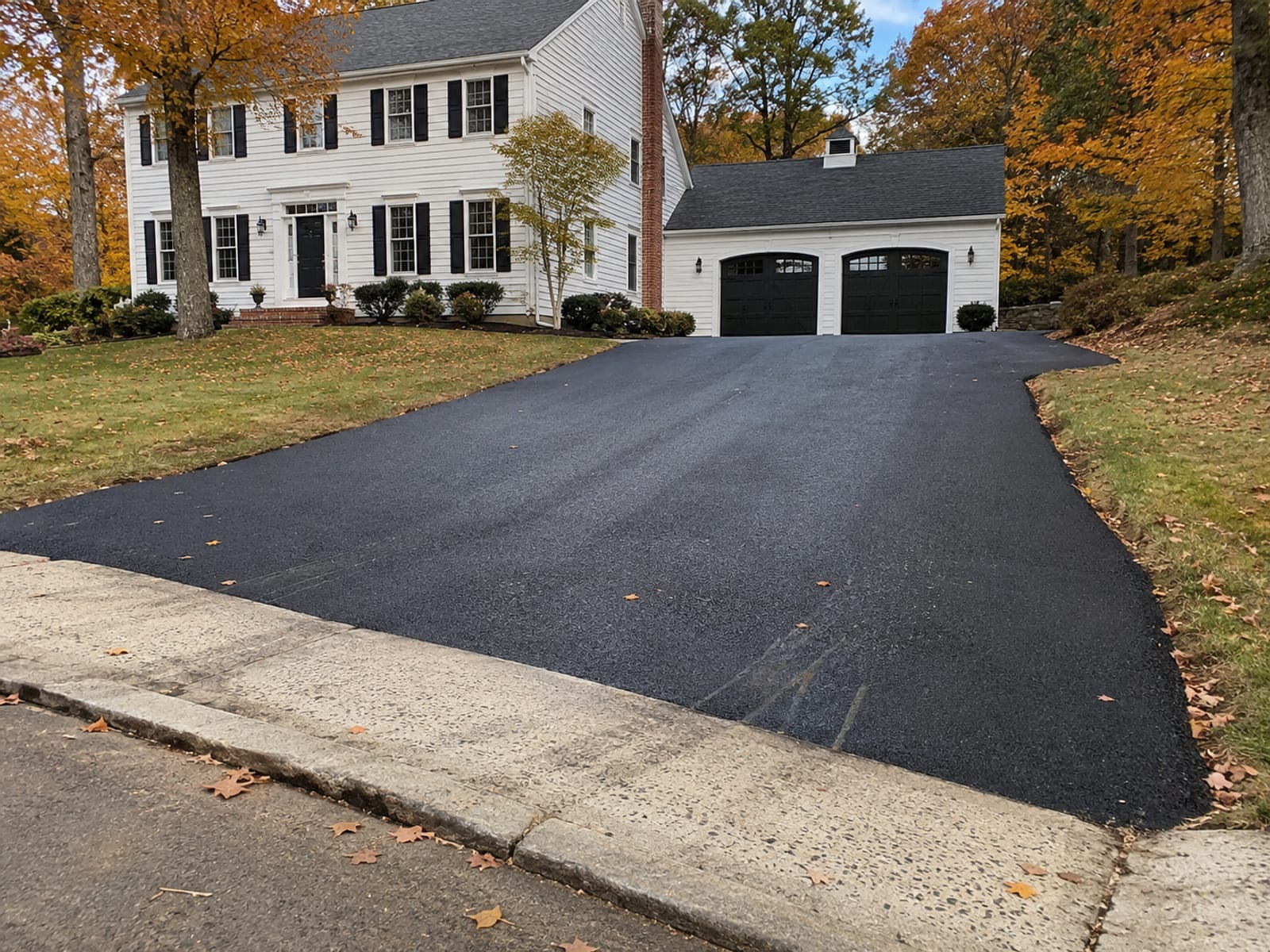
Road and pavement conditions across the tri-state area rank among the more demanding in the country. Connecticut has reported roughly 20.5% of roads in poor condition, and Massachusetts sits around 29.3%. That wear comes from dense traffic, aging infrastructure, and winters that hit pavement hard through repeated freeze-thaw cycles. When sub-freezing temperatures drive water into small cracks and expand it, weak pavement fails fast. A well-prepared base and properly compacted asphalt layer are what separate a driveway or lot that lasts a decade from one that starts cracking after the second winter.
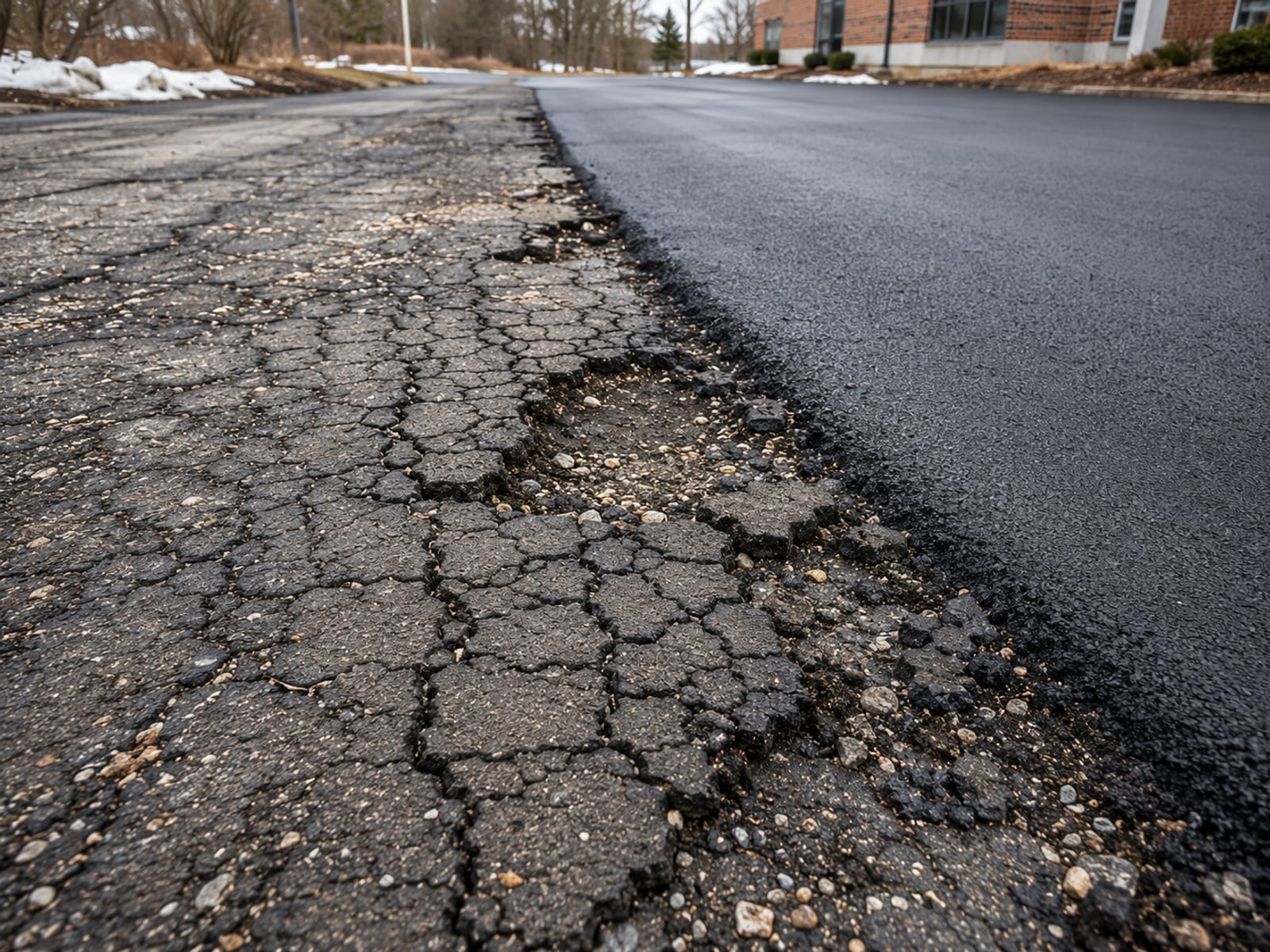
The spring following a rough winter always brings a spike in paving calls across the Northeast. Property owners are dealing with potholes, heaving edges, and surface cracking that appeared between January and April. Commercial property managers feel this pressure acutely because parking lot damage creates liability and drives tenant complaints. Getting ahead of major deterioration with a timely resurfacing or patch job is almost always cheaper than waiting until the base itself has been compromised.
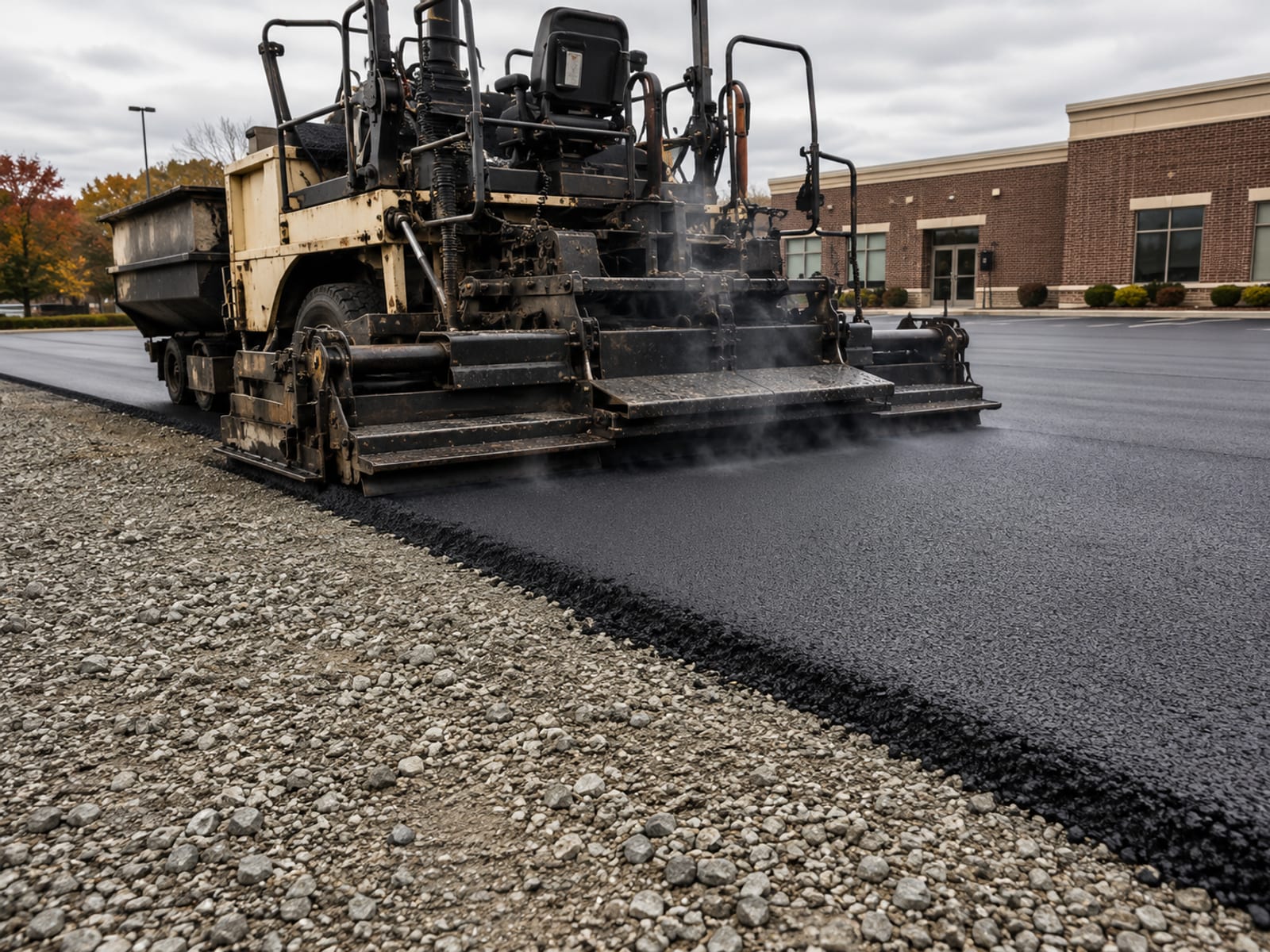
Warm-mix asphalt technology has changed how contractors operate in regions like ours. Traditional hot-mix asphalt needs temperatures above a certain threshold to be placed and compacted correctly, which squeezes the working season in the Northeast. Warm-mix processes lower those temperature requirements significantly, adding weeks to the usable season and allowing better response to late-fall or early-spring paving needs. DLD Home Improvements works with asphalt mixes suited to the Northeast climate so the finished surface performs the way it should, even when the paving window is tight.