Skip to content
DLD Home Improvements

Services

Lawn Care Services in CT, Springfield MA, and Albany NY

DLD Home Improvements handles mowing, fertilization, aeration, and seasonal lawn maintenance for residential and commercial properties across Connecticut, Springfield MA, and Albany NY. You get a consistent schedule, properly managed cool-season turf, and a crew that shows up.

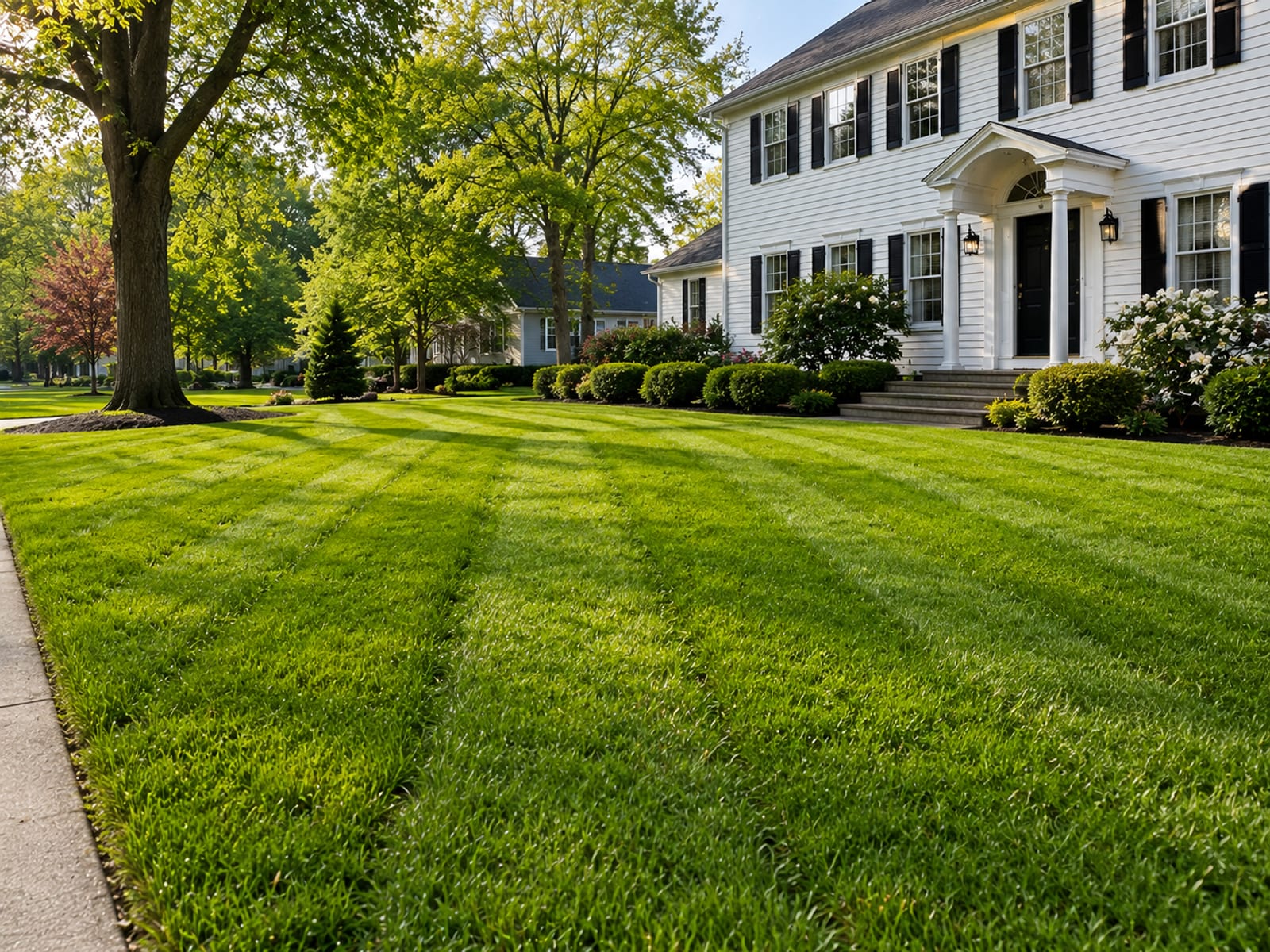
Freshly mowed residential lawn beside a New England colonial home in late spring morning light

What Do Lawn Care Services Include?

Lawn care from DLD Home Improvements covers the full range of what your turf needs to stay healthy through the Northeast's demanding seasons: mowing on a set schedule, fertilization timed to cool-season grass cycles, aeration to break up compacted soil, and overseeding to fill in thin or bare patches. Whether you manage a commercial property with a large open lawn or a home with a modest yard, the work gets done on a consistent schedule so your grass isn't caught off guard by spring or fall transitions.

The Northeast is cool-season grass territory. Kentucky bluegrass, fine fescue, tall fescue, and perennial ryegrass are the grasses that perform well here, and each one has specific timing needs for fertilization, aeration, and overseeding. Getting those windows right is the difference between a lawn that looks good and one that struggles from May through October. DLD Home Improvements works within those windows, not against them.

Spring work runs from March through April and sets the tone for the entire growing season. Fall is when fertilization and overseeding do their best work. Summer is about consistent mowing height and watering discipline. Every season has a job, and the work follows that structure.

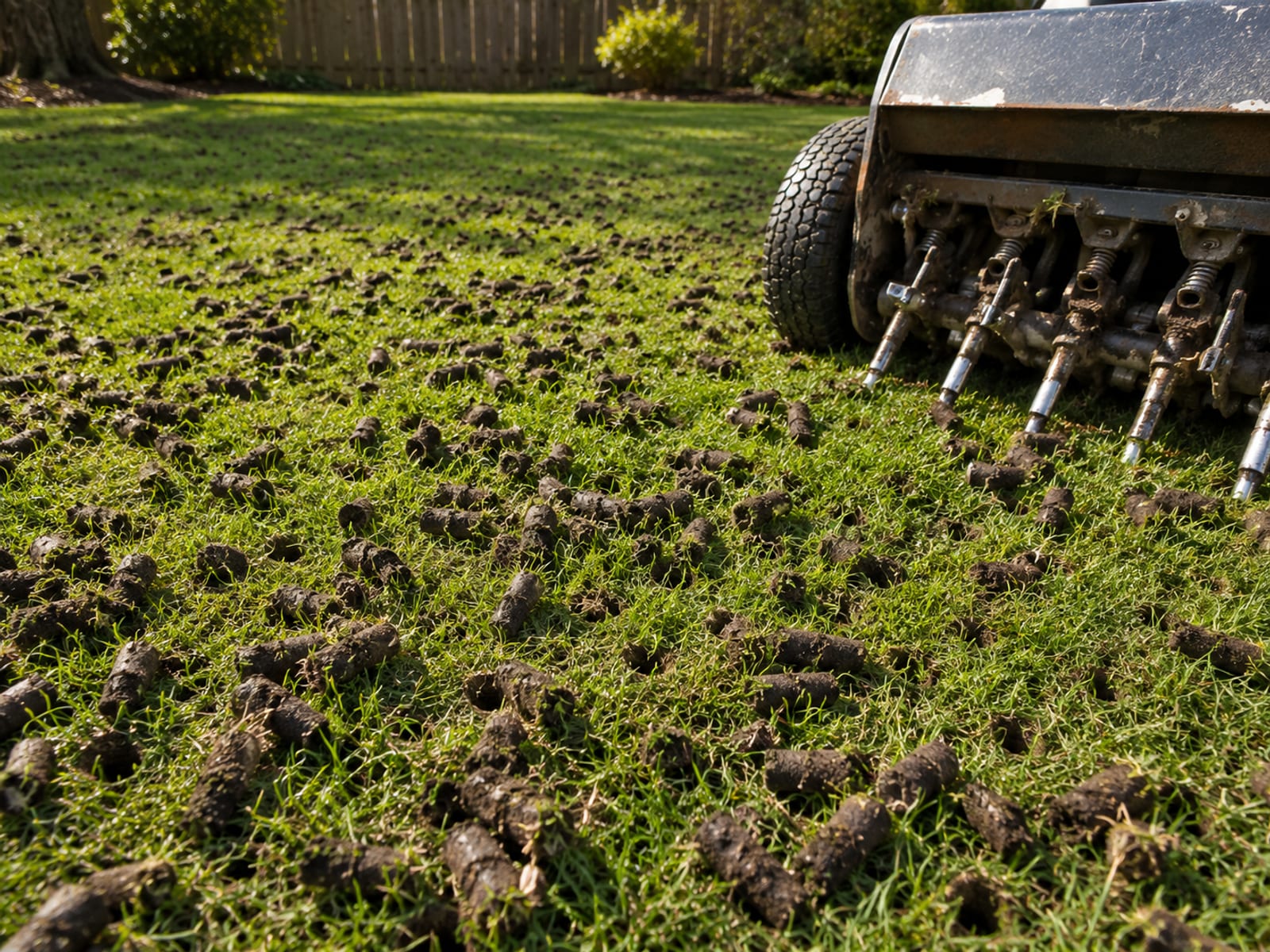
Soil core aeration plugs scattered across a cool-season grass lawn beside a walk-behind aerator

Why Does Lawn Care Timing Matter So Much in the Northeast?

Cool-season grasses grow actively in spring and fall, go semi-dormant under summer heat stress, and slow down before the first frost. That cycle dictates almost every decision in a good lawn care plan. Fertilizing at the wrong time pushes growth when the grass can't use it. Skipping aeration lets compacted soil block water and nutrients from reaching roots. Pushing overseeding to spring instead of fall drops germination rates and costs more for thinner results.

Connecticut law prohibits applying phosphorus to established lawns unless a soil test shows a deficiency. That's not a minor detail. It means a lawn care provider working in CT needs to know the rules, not just the routines. DLD Home Improvements operates within those regulations throughout its service area.

Fertilization for this region follows a specific schedule. Late April and September are the primary application windows, with a possible third treatment in late May. Each application stays at half a pound of nitrogen per 1,000 square feet, which keeps the lawn fed without burning the turf or pushing weak top growth. Fall fertilization is the most important of the cycle because it builds root reserves that carry cool-season grass through winter.

The Northeast recorded its driest three-month stretch on record in 2024, a reminder that even high-precipitation regions can have drought stress years. Deep, infrequent watering at roughly 0.5 to 1 inch per week applied all at once encourages roots to grow deeper rather than staying shallow and vulnerable. A lawn with deep roots handles dry spells much better than one receiving frequent light watering.

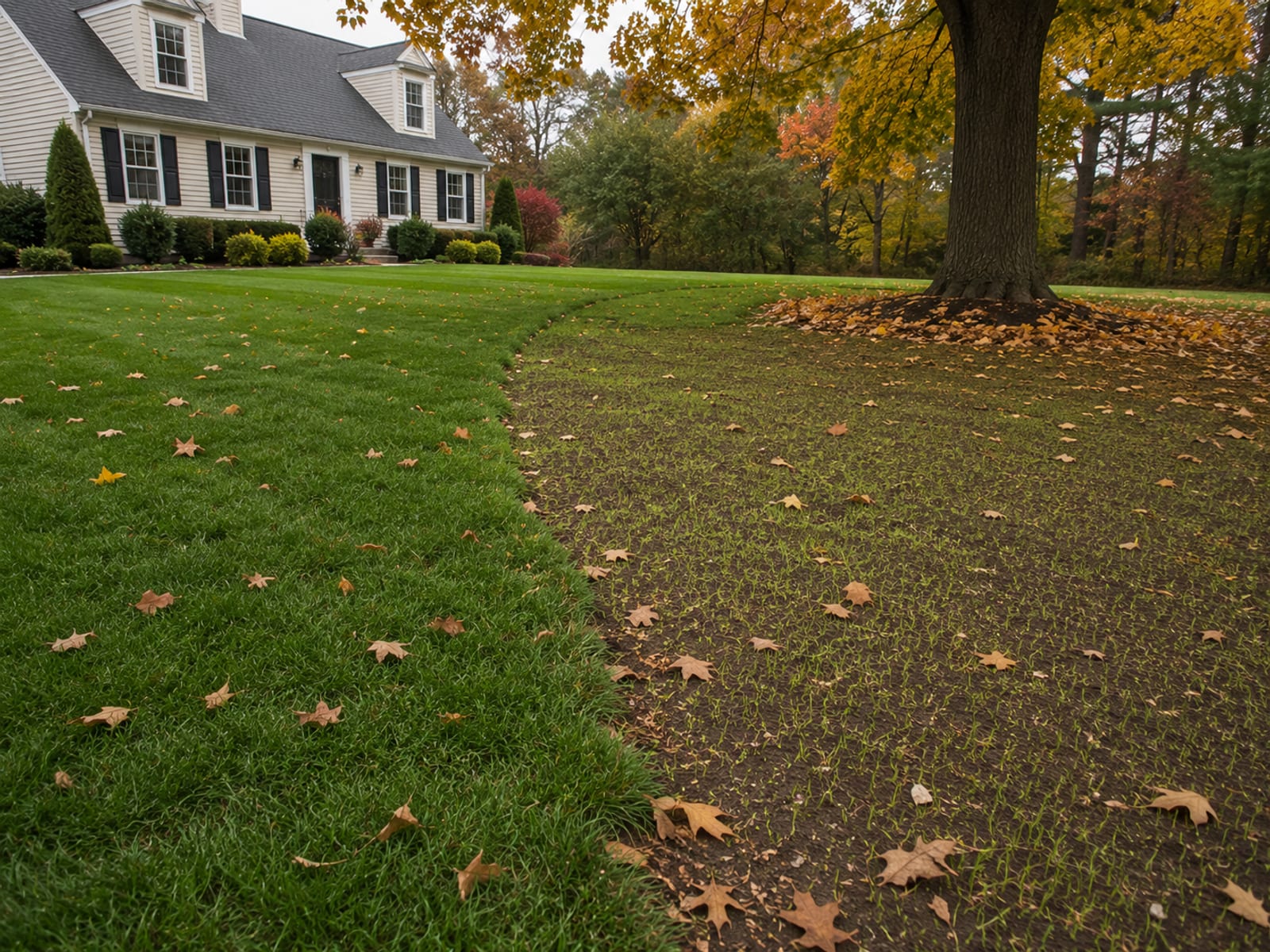
Fall lawn transitioning from summer stress with fresh overseeding visible beside a dormant tree in Connecticut

How Does the Lawn Care Process Work?

DLD Home Improvements follows a structured seasonal process built around how cool-season grasses actually behave in this region. Each step connects to the one before it.

  1. 1

    Initial Assessment

    Before any mowing or treatment, the lawn gets a walkthrough to identify grass type, thatch depth, soil compaction, bare patches, and any visible problems. This sets the service plan for the season and flags anything needing early attention, like heavy thatch over half an inch that would block aeration from working properly.

  2. 2

    Mowing on Schedule

    Mowing starts in spring and continues through fall on a regular schedule. Blades are set between 3 and 4 inches, which keeps the turf shaded, reduces moisture loss, and limits weed germination. The one-third rule applies every visit: no more than one-third of the blade length gets removed in a single mow. Grass clippings stay on the lawn to return nitrogen to the soil and reduce the need for extra fertilizer.

  3. 3

    Fertilization at the Right Windows

    Fertilizer goes down in late April, September, and optionally late May, at half a pound of nitrogen per 1,000 square feet per application. Phosphorus is only applied if a soil test shows it's needed, which is the standard required under Connecticut law and consistent with best practice in Massachusetts and New York as well.

  4. 4

    Aeration When the Grass Can Handle It

    Aeration happens during peak growing periods, mid-spring and fall for cool-season grass. It is recommended annually for lawns with heavy clay soil or thatch buildup of half an inch or more. Aerating at the right time means the grass fills in the plug holes quickly and benefits from the loosened soil instead of sitting stressed while it recovers.

  5. 5

    Overseeding for Thin or Bare Areas

    Overseeding is a fall job for cool-season turf. Seed selection depends on sun exposure: Kentucky bluegrass and ryegrass perform best in full sun, while fescue blends work better in partial or full shade. Getting seed down in fall gives it the best germination conditions and time to establish before winter dormancy.

  6. 6

    Ongoing Seasonal Maintenance

    Between scheduled service visits, DLD Home Improvements tracks the seasonal calendar and adjusts the plan when conditions call for it. Drought years, wet springs, and early frosts all affect what the lawn needs. The work adapts to what's actually happening with the turf, not just what the standard schedule says.

What Makes a Lawn Care Provider Worth Hiring?

There's no shortage of lawn care options in the area. What separates a provider worth keeping from one you end up replacing mid-season comes down to a few consistent factors.

Regional Knowledge That Actually Shows

Cool-season grass in the Northeast has different needs than turf in the South or Midwest. A provider who knows the Connecticut phosphorus rules, understands the fall fertilization window, and selects the right seed varieties for shaded vs. sunny conditions is one who's been paying attention. DLD Home Improvements works within the regional calendar, not around it.

Consistency You Can Count On

Lawn care only works if the schedule gets kept. A mowing visit that slips two weeks throws off the one-third rule and leaves the grass too long, which stresses the turf when it finally gets cut. Aeration pushed past the fall growing window loses most of its benefit. Showing up on time, every time, is the whole job.

Licensed and Insured

DLD Home Improvements is fully licensed and insured, which matters for both residential homeowners and commercial property managers. You're not taking on liability risk with an unlicensed crew working on your property.

Commercial and Residential Experience

DLD Home Improvements works with residential homeowners and commercial property managers, building owners, and facilities directors. A company that handles commercial properties understands scale, scheduling across multiple sites, and the accountability that comes with a business relationship.

No Single-Service Limitations

When lawn care is part of a broader property maintenance plan that also includes mulching, landscaping, shrub removal, and tree removal, it's easier to keep the whole property looking clean. DLD Home Improvements handles all of those services, so you're not coordinating between multiple vendors for related work.

Lawn Care for Commercial Properties

Commercial property managers and facilities directors have different priorities than residential homeowners. The lawn at an office park, retail center, or apartment complex is a first impression for tenants, customers, and visitors. It also represents a maintenance line item that needs to be predictable and reliable across the full season, not just the first few weeks after a contract is signed.

DLD Home Improvements serves commercial clients throughout the service area with the same structured seasonal approach used for residential properties. The mowing schedule, fertilization windows, aeration timing, and overseeding program are all scaled to the site. Larger turf areas get the same attention to mowing height, clipping management, and seasonal transitions.

For facilities directors managing multiple sites, working with a single contractor who covers the full service area simplifies scheduling, invoicing, and accountability. If something's off with the lawn at one location, there's one call to make.

Commercial properties in Connecticut also benefit from having a contractor who knows the state's fertilization regulations, particularly the phosphorus restriction. Applying phosphorus without a soil test isn't just a regulatory issue; it can also create runoff problems for properties near water. Staying within the rules protects both the property and the contractor.
Lawn Care Across Connecticut, Springfield MA, and Albany NY

DLD Home Improvements provides lawn care services across Connecticut, Springfield MA, and Albany NY. All three areas share similar cool-season grass conditions, comparable seasonal windows for fertilization and aeration, and the same regional patterns of hot summers and cold winters that make timing everything for Northeast turf.

Connecticut lawns deal with heavy clay soils in many areas, which compact easily and benefit from annual aeration. Springfield MA sees similar soil conditions with slightly longer spring growing windows. Albany NY has colder winters and earlier first-frost dates, which tightens the fall overseeding window. Serving all three areas requires staying aware of those regional differences and adjusting the plan accordingly.

If you're a homeowner or property manager in any of these service areas and you're not happy with how your lawn looks coming out of winter or heading into fall, that's a sign the seasonal timing hasn't been right. A proper spring assessment followed by the right mowing schedule, fertilization windows, and fall aeration and overseeding can reset a lawn that's been underperforming for years.

Frequently Asked Questions About Lawn Care

These questions come up regularly from homeowners and commercial property managers across the region.

For cool-season grasses in the Northeast, spring lawn care typically begins in March through April. That window is when the ground thaws and grass starts active growth, making it the right time for the first mow, a soil assessment, and any early fertilization. Starting too early before the soil is workable can damage turf structure and compact wet soil, so the timing depends on actual ground conditions each year, not just the calendar date.

Annual aeration is recommended for lawns with heavy clay soil or thatch buildup of half an inch or more, which is common in many parts of Connecticut and Western Massachusetts. For lawns with lighter, well-draining soil and minimal thatch, every other year may be enough. The best way to know is a quick probe test in the spring: if a screwdriver doesn't push easily 6 inches into moist soil, the lawn likely needs aeration.

Fescue blends are the standard choice for partial or full shade in the Northeast. Fine fescue varieties handle low light better than Kentucky bluegrass or perennial ryegrass, which need more sun to perform well. For yards with a mix of sun and shade, a blend that includes both fescue and some ryegrass tends to fill in more evenly across the different light conditions.

Connecticut law prohibits phosphorus application on established lawns unless a soil test shows a deficiency. The same restriction applies in Massachusetts for established turf. Any lawn care provider working in these states should require or recommend a soil test before applying any fertilizer with phosphorus content. It's a state regulation, not just a best practice.

For cool-season grasses in the Northeast, a weekly mowing schedule during active growth in spring and fall is standard. In midsummer, when heat slows growth and the lawn may be under stress, mowing frequency can drop to every 10 to 14 days. The key rule regardless of season is the one-third guideline: never remove more than one-third of the blade in a single cut. Removing more than that shocks the turf and opens it up to disease and weed pressure.

In most years, cool-season grasses in Connecticut and the broader Northeast survive on natural precipitation without supplemental irrigation. Lawns that turn brown in a summer drought aren't dead; they're dormant and will recover when moisture returns. During dry years like 2024, which saw the driest three-month stretch on record in the region, new seed and recently aerated areas do benefit from supplemental watering of about half an inch to one inch per week, applied all at once rather than in small daily amounts.

The active lawn care calendar in this region runs from March through November, with the most important work happening in spring and fall. Winter doesn't require active services for cool-season turf, but the fall program, particularly fertilization and overseeding, directly affects how the lawn comes out of dormancy the following spring. Skipping fall services is the most common reason lawns look thin and patchy in March.

Get a Lawn Care Estimate for Your Property

Call 959-759-0391 or email info@dldhomeimprovements.com to get started.

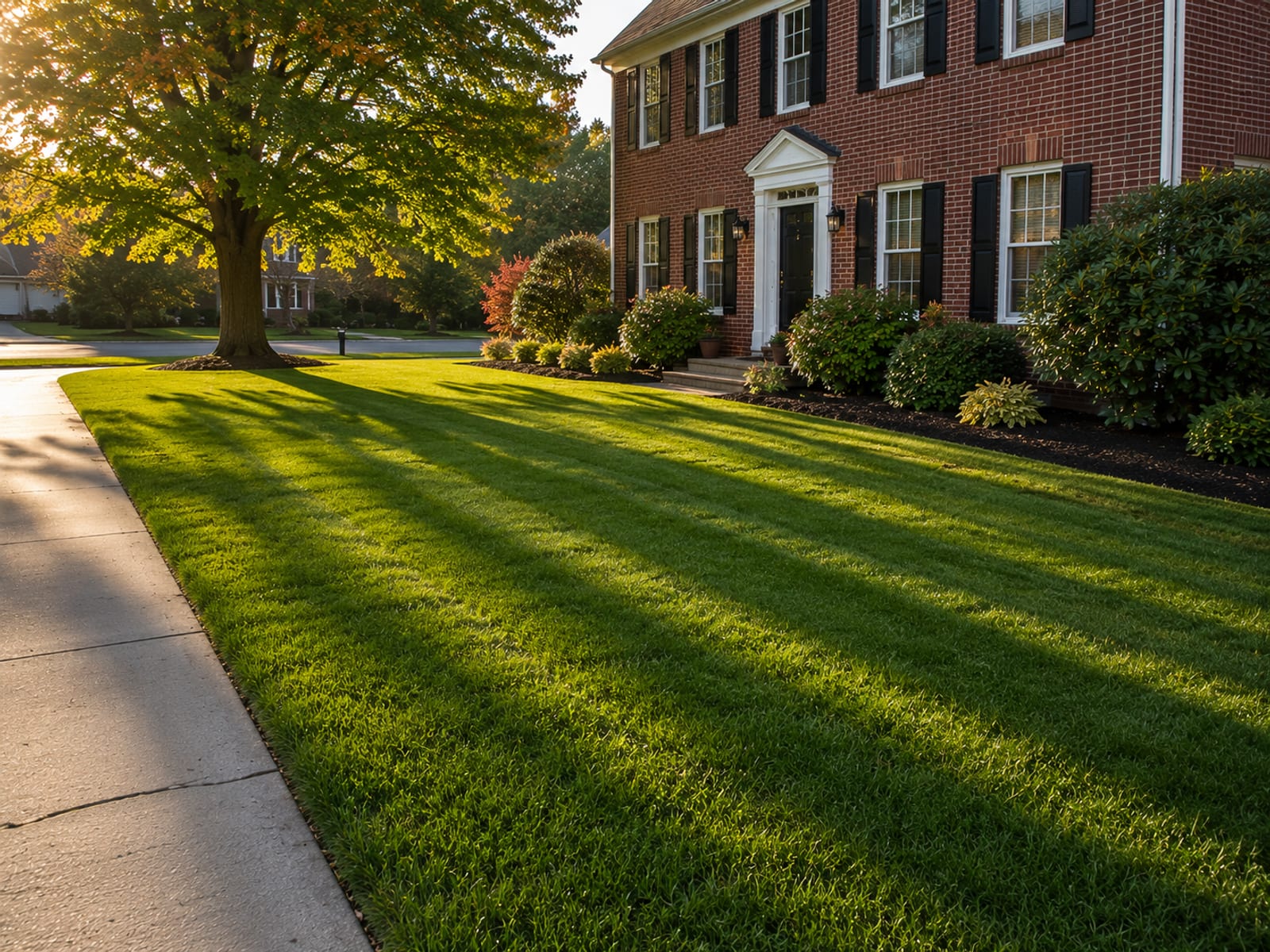
Immaculate cool-season grass lawn beside a brick colonial home with clean bed edges in late afternoon light

Get Started

Ready to talk about your project?

Call or email DLD Home Improvements, or request an estimate. Available Monday through Friday and weekends, 8 AM to 8 PM, with emergency service when you need it.