The right flooring material depends on three things: how the space is used, what the moisture exposure looks like, and what maintenance level you are actually willing to commit to. A beautiful solid hardwood floor in a ground-level Connecticut home with a history of seasonal water intrusion is going to cause problems regardless of how well it is installed. Matching the product to the environment is the part of the decision that most people skip when they fall in love with a sample at a showroom.
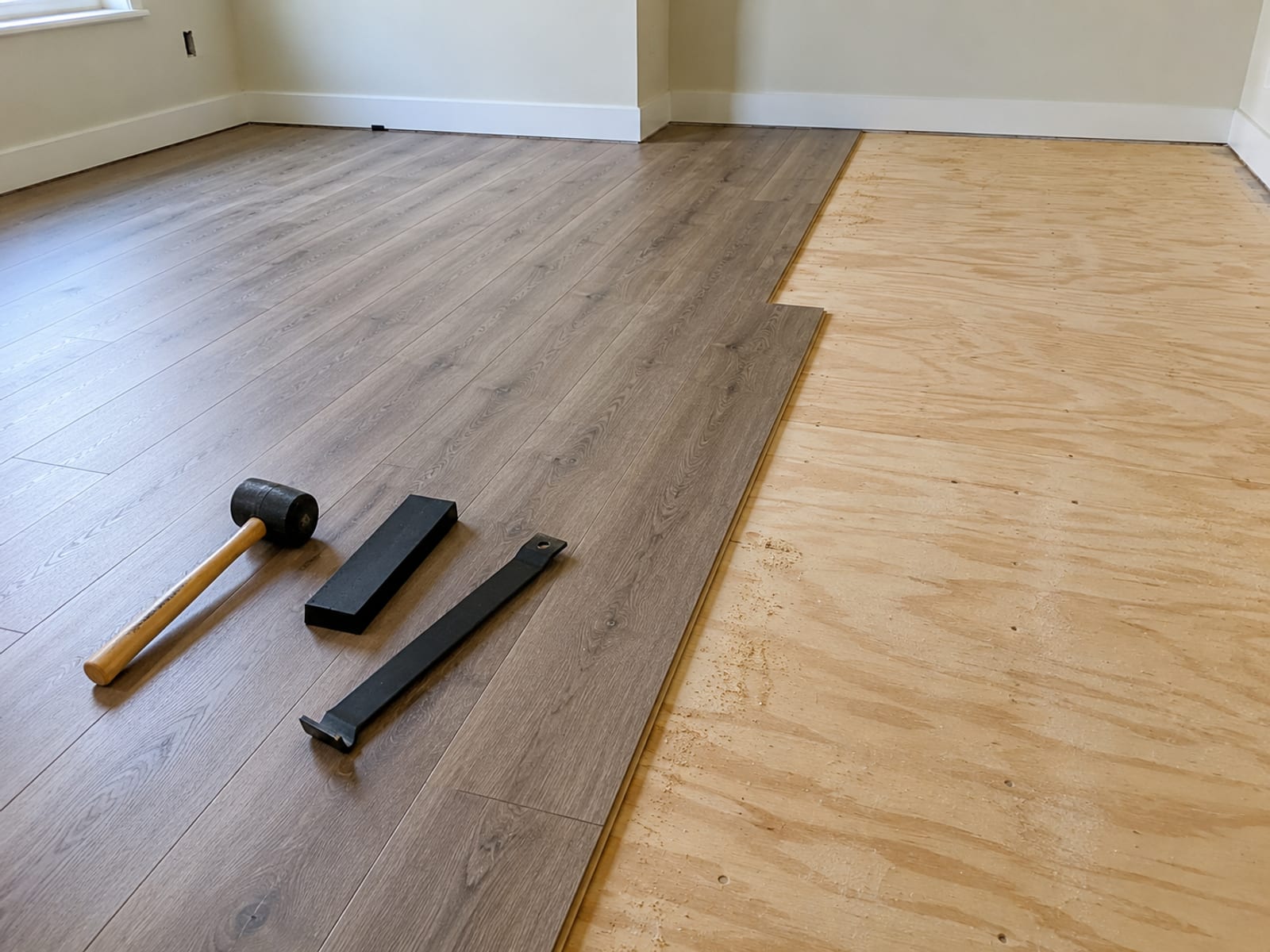
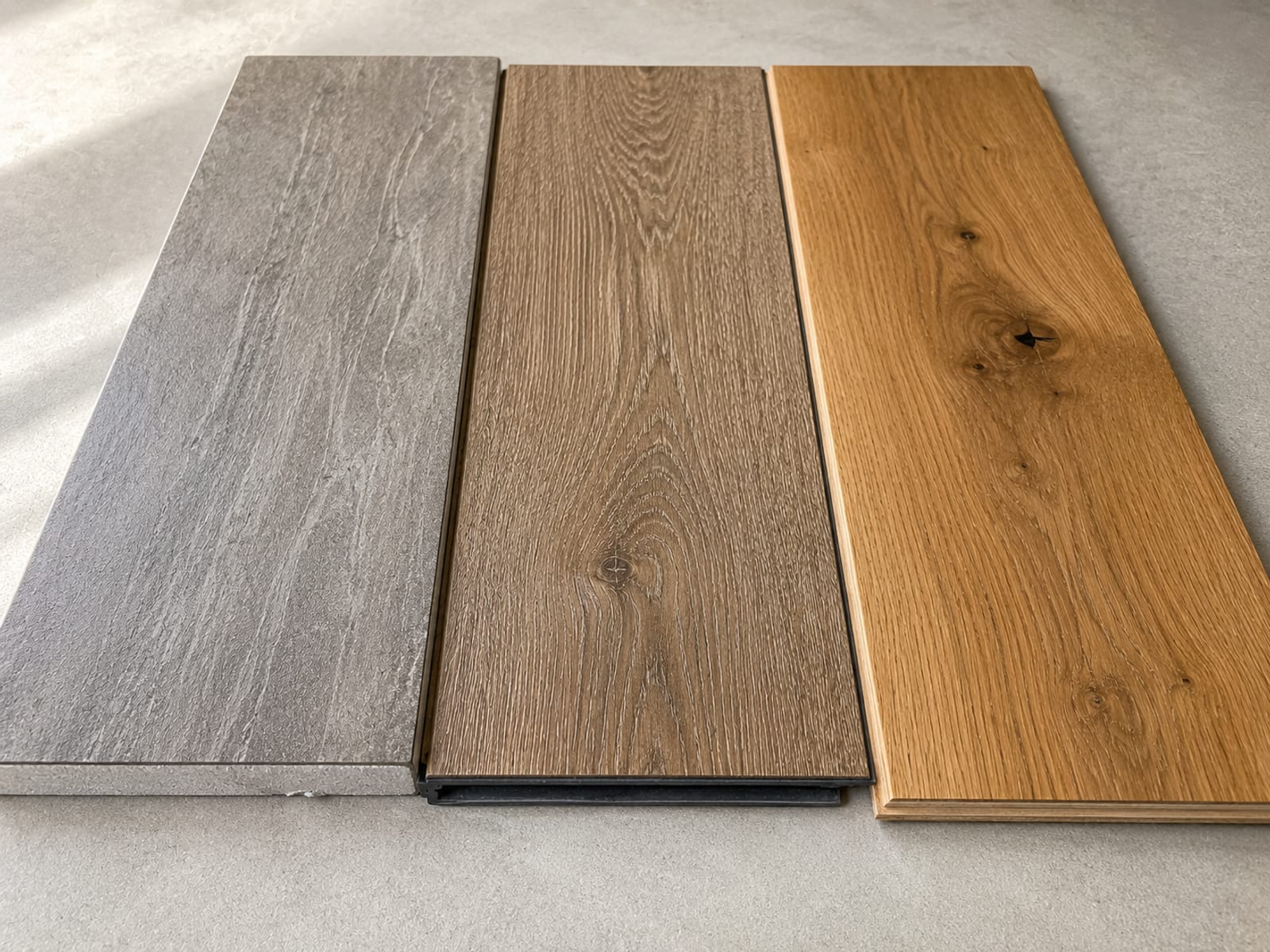
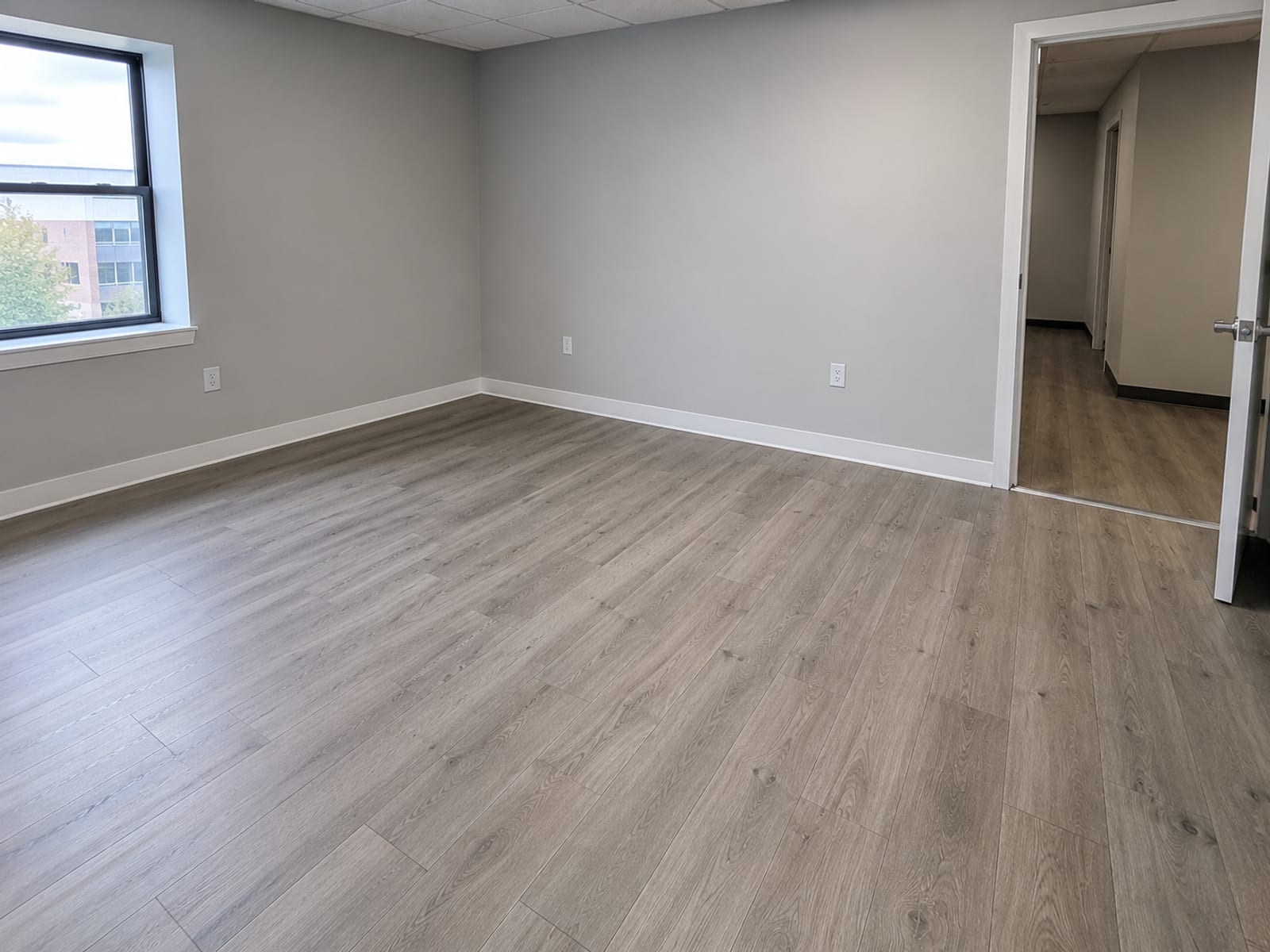
Luxury vinyl plank is the standard choice for kitchens, basements, bathrooms, laundry rooms, and commercial spaces with heavy cleaning demands. It handles water, foot traffic, and cleaning products without warping or staining. The gap between LVP and hardwood in visual realism has narrowed considerably, with grain patterns and surface textures that read as genuine wood from any normal viewing distance. If low maintenance and moisture resistance are your priorities, LVP is a straightforward answer.
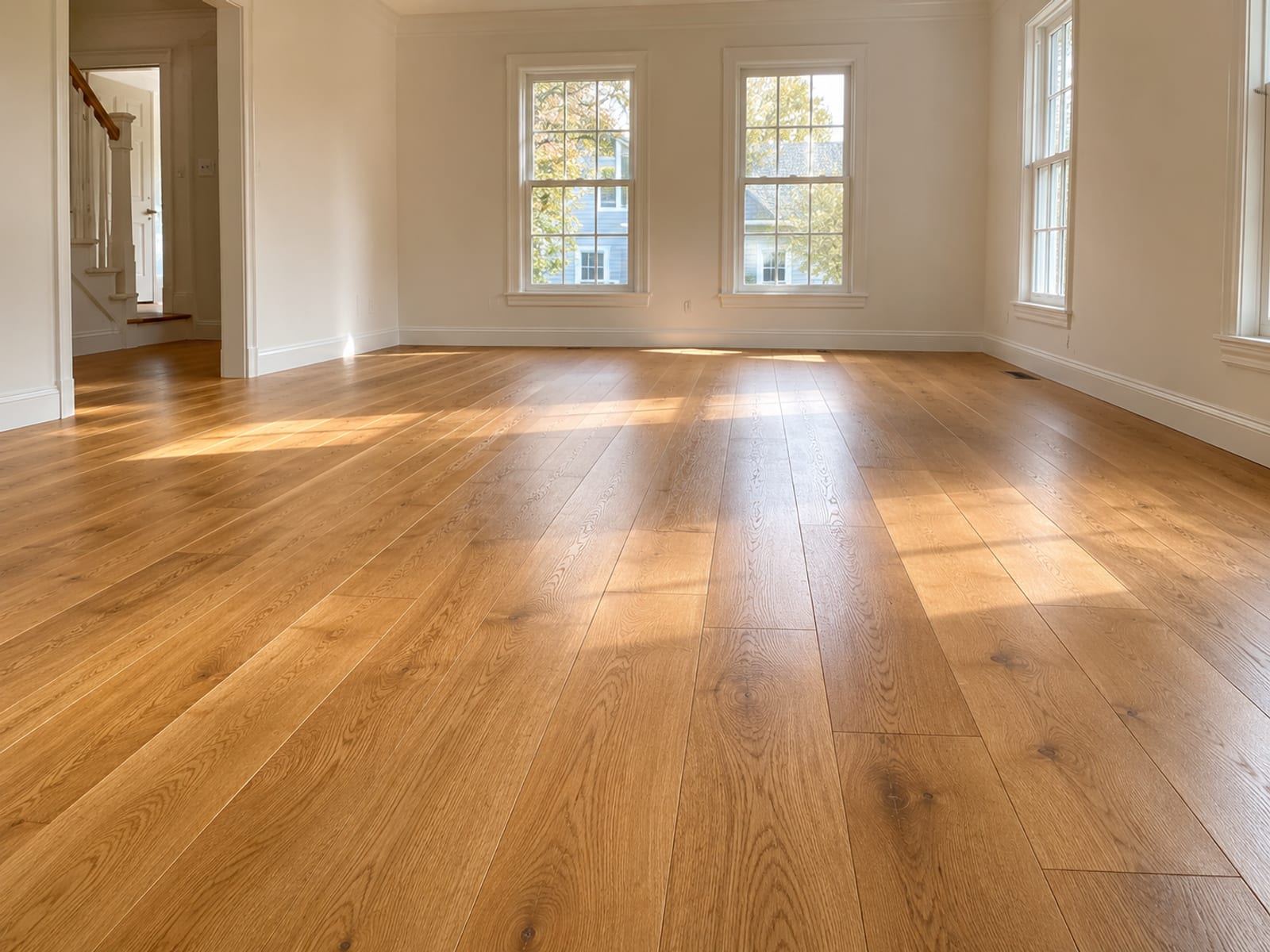
Engineered hardwood sits in the middle ground for spaces where you want the genuine wood feel and sound underfoot, but where solid hardwood's sensitivity to humidity would be a problem. Engineered products use a real hardwood veneer over a stabilized core, giving them better resistance to seasonal movement. They can typically be refinished once or twice over their lifespan, which extends their useful life well past what LVP can offer. For upper-floor bedrooms, living rooms, and dining rooms in residential renovations, engineered hardwood is often the better long-term choice.
Tile remains the standard for bathrooms and mudrooms because nothing else matches its durability in wet conditions. Large-format porcelain tiles in wood-look finishes are increasingly popular for homeowners who want the warmth of a wood floor in spaces where wood cannot go. In commercial applications, tile is the right call for lobbies, restrooms, and any area subject to heavy cleaning or chemical exposure. The trade-off is installation time and cost, since tile requires setting, grouting, and curing time that pushes project timelines longer than a floating floor system.
Wide-plank formats, five inches and wider, are worth considering for any open-concept space because they reduce the number of seams visible across a floor and create a cleaner, more open visual. This is particularly noticeable in commercial spaces like offices and retail environments where the floor is often the largest uninterrupted surface in the room. On the residential side, wide-plank hardwood has been the dominant choice in higher-end renovations across the area for several years, and that demand has not slowed.