Skip to content
DLD Home Improvements

Services

Fencing Installation in CT, Springfield MA, and Albany NY

DLD Home Improvements installs wood, vinyl, aluminum, and ornamental fences for residential and commercial properties across Connecticut, Western Massachusetts, and the Albany area. Get a properly permitted, professionally installed fence built to handle Northeast winters.

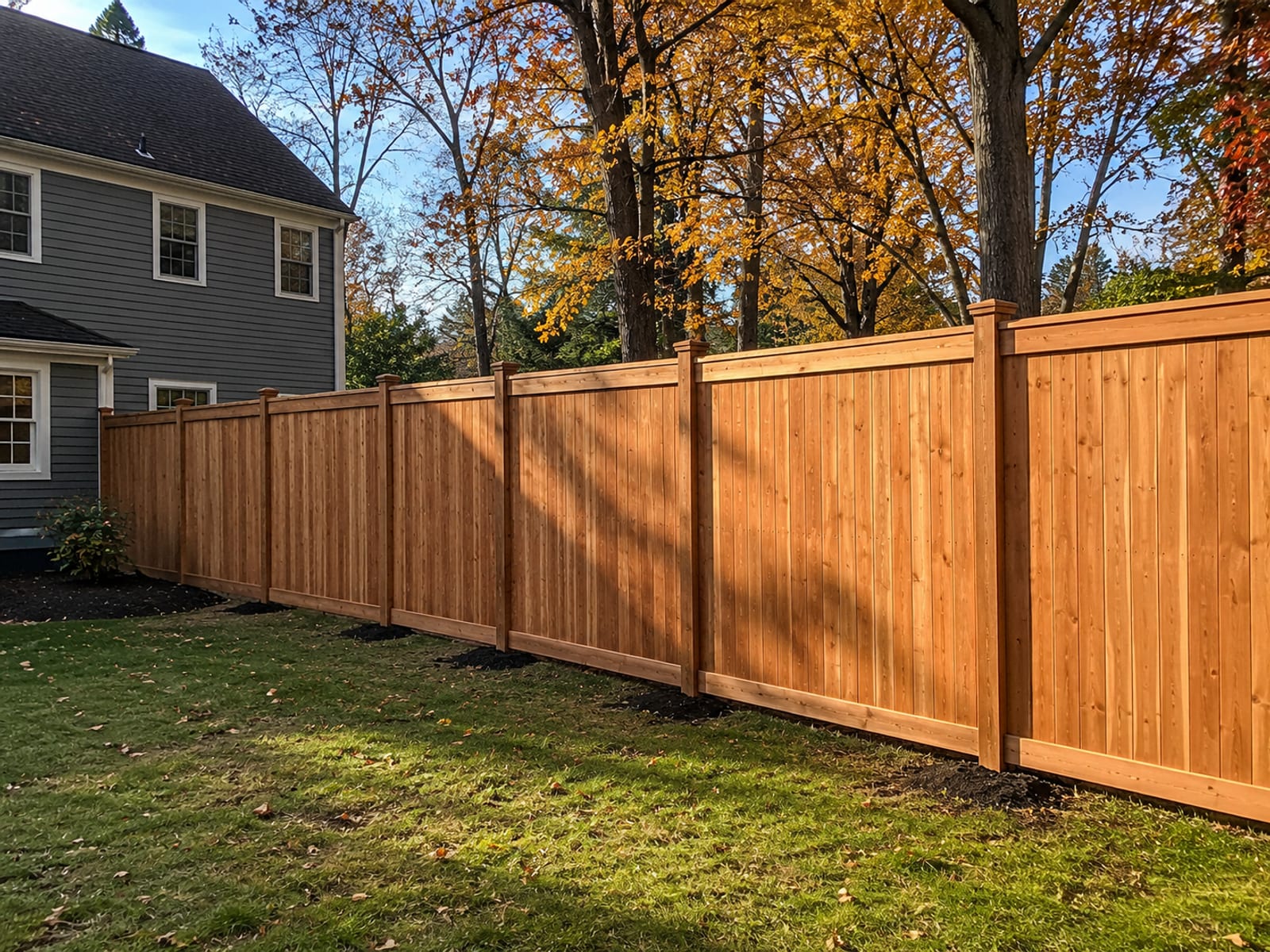
Finished six-foot cedar wood privacy fence along the rear yard of a New England colonial home in autumn light

What Does Fencing Installation Include?

Fencing installation from DLD Home Improvements covers everything from material selection and site assessment through post setting, panel or board installation, and final inspection. Whether you need a wood privacy fence around a backyard, vinyl panels along a commercial property line, or aluminum ornamental fencing for curb appeal, the process starts with understanding what the fence actually needs to do for you. That means factoring in your property layout, local permit requirements, and the specific wear your fence will face through Northeast winters, snow seasons, and the freeze-thaw cycles common throughout the region.

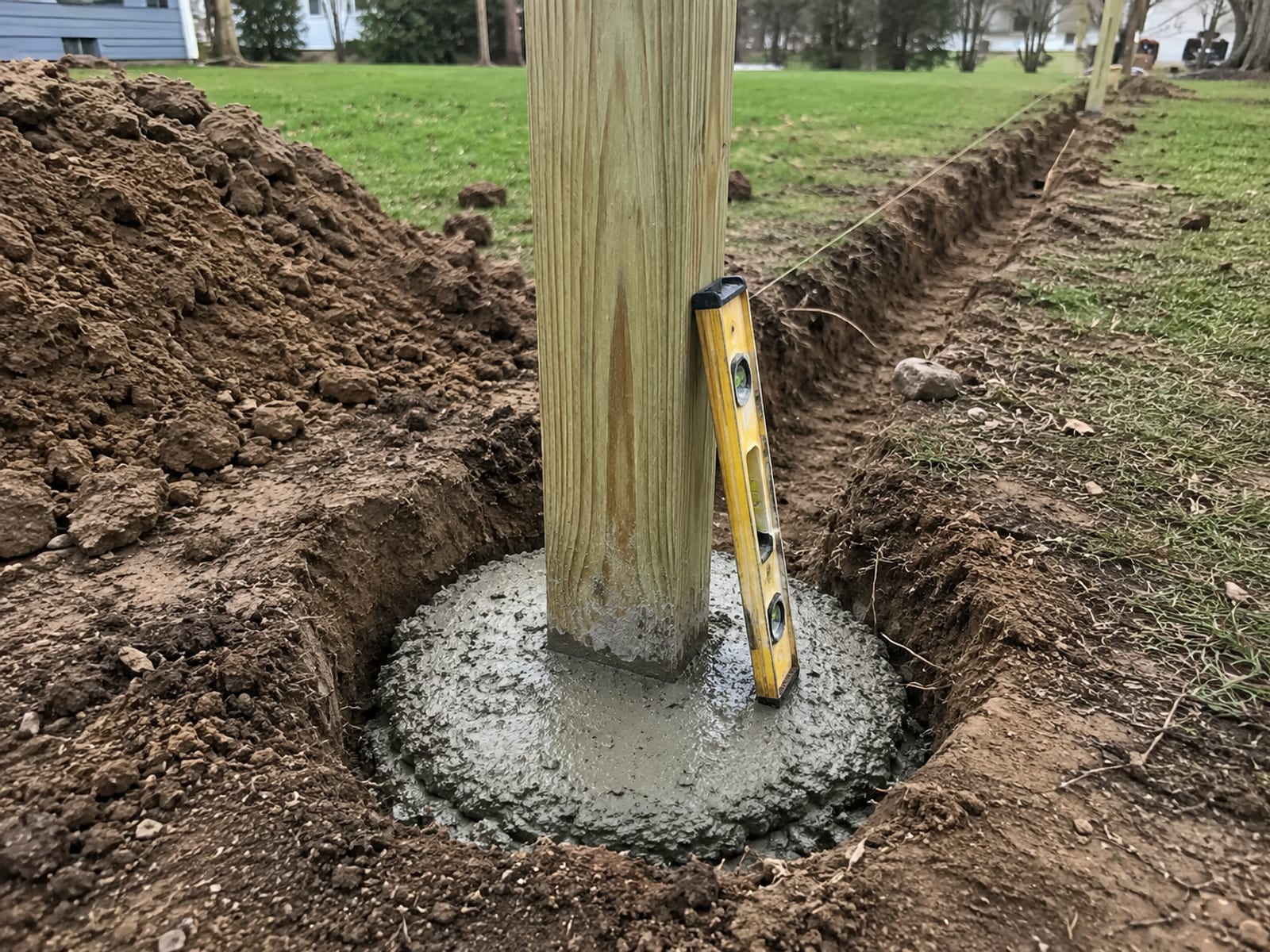
A complete fencing project includes a site walk, material selection guidance, permit coordination where required, post footing installation at proper depth, and full panel or board assembly. Post footings are set below the frost line to prevent heaving, a non-negotiable step in the Northeast that many fast, cheap installs skip. The result is a fence that stays plumb and solid year after year instead of leaning or shifting after the first hard winter.

Connecticut state code caps residential fence height at 6 feet, and most municipalities require a building permit for any new fence installation. Permit fees generally run between $20 and $60 depending on the town. DLD Home Improvements handles the coordination process so you are not left figuring out local zoning rules on your own.

Close view of a freshly set wooden fence post in a concrete footing with a level resting against it in a residential yard

What Fence Materials Are Available for Northeast Properties?

The right material depends on your priorities, your property type, and how much maintenance you want to do. Each option below has a different performance profile in the Northeast climate.

Vinyl

Vinyl privacy fences are the top choice for homeowners who want minimal upkeep. Vinyl does not rot, warp, or need repainting. Current styles come in beige, gray, and white with textured finishes that mimic wood grain, making them a practical option that still looks sharp. They hold up well against humid Connecticut summers and heavy snow loads.

Wood (Cedar and Pressure-Treated Pine)

Cedar and pressure-treated pine are longtime favorites in New England for their natural look and solid feel. Modern treatments make wood significantly more resistant to rot, moisture, and insects than older generations of fencing. Sustainably sourced cedar stained in natural tones or painted crisp white remains one of the most requested styles across CT and Western MA.

Aluminum

Powder-coated aluminum is a strong performer in humid and snowy climates because it resists corrosion without the weight of steel. Black, bronze, and white finishes are all available, and the look closely matches traditional wrought iron at a lower cost and with much less maintenance. Aluminum works well for both residential yards and commercial perimeters.

Ornamental Steel

Ornamental steel fences bring a high-end appearance with real structural weight behind it. Options include custom scrollwork, decorative finials, and panel designs that can be matched to the architectural style of the property. This material is especially popular in upscale neighborhoods across the CT shoreline and in Albany's historic districts.

Composite

Composite fencing is made from recycled wood fibers and plastic, giving it the appearance of wood with better resistance to moisture, insects, and fading. It is a solid choice for property owners who want a lower-maintenance option that still looks like natural wood. Composite materials are gaining traction in the Northeast as environmental standards tighten.

Split-Rail

Split-rail fencing made from cedar or locust wood is seeing renewed interest for larger rural properties, especially in places like Litchfield County, CT. Many property owners pair split-rail with wire mesh to add pet or livestock containment without losing the open, pastoral look. It is one of the more cost-effective options for fencing large acreage.

Why Does Fence Style Matter as Much as Material?

The material you choose determines durability and maintenance needs, but the style determines how your fence functions day to day. Privacy fencing with a solid panel design is the most popular choice in densely populated areas of CT and Western Massachusetts, where properties sit close together and noise reduction is as important as visual screening. A 6-foot solid vinyl or wood privacy fence cuts down on traffic noise and creates a genuine outdoor living space instead of just a boundary marker.

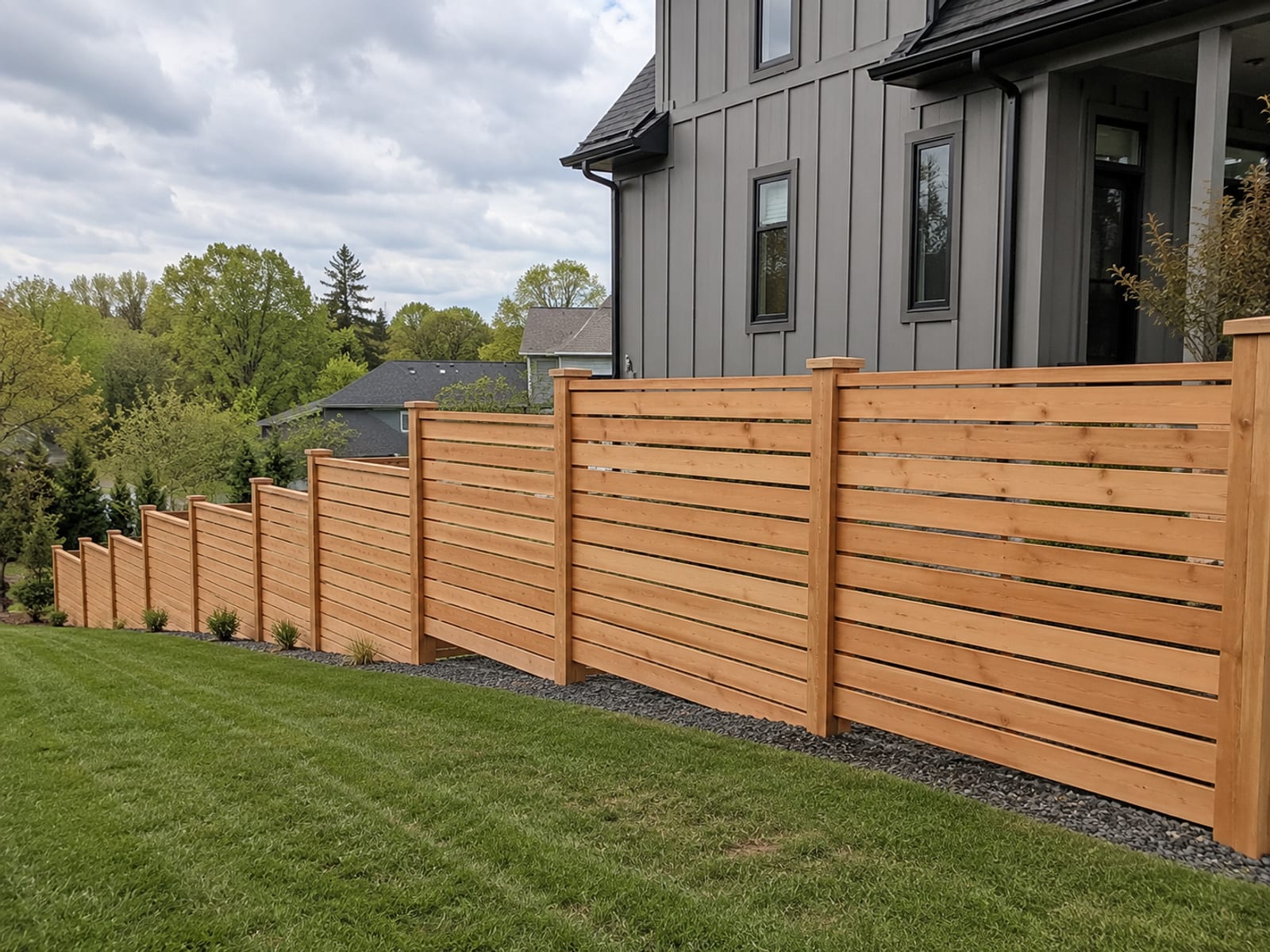
Horizontal slat designs have become one of the fastest-growing style requests across the region. Boards running sideways instead of vertically give a yard a wider, more open appearance, and the clean lines fit modern home architecture well. If your property has a contemporary exterior, horizontal board fencing tends to complement it far better than traditional picket or stockade styles.

For commercial properties, the style conversation shifts toward perimeter security and access control. Chain link with privacy slats, ornamental aluminum with automated gate systems, and modular security panel systems all serve different security levels. Properties in the NY/CT/MA corridor that need to control access points, manage parking areas, or define the boundary of a facility should think about fencing as part of a broader access management plan, not just a border marker.

Horizontal fences can also make sloped properties more manageable by creating defined visual sections as the fence steps down a grade. When terrain is uneven, the installation method matters as much as the style choice. DLD Home Improvements assesses grade and drainage conditions before any post goes in the ground, because a fence installed without accounting for water runoff around footings is one that will have problems within a few years.

Finished horizontal cedar slat fence running along a sloped residential yard beside a contemporary New England home

How Does the Fencing Installation Process Work?

Every fencing project at DLD Home Improvements follows a consistent process designed to avoid the common problems that lead to failed inspections, leaning posts, or early material failure. The steps below cover a standard residential or commercial installation.

  1. 1

    Site Assessment and Measurement

    The process starts with a walkthrough of the property to map the fence line, identify grade changes, note any underground utilities that need to be flagged, and measure the total linear footage. This is also where local setback requirements get reviewed, since most municipalities in the region require fences to sit a specific distance from the property line.

  2. 2

    Material Selection and Permit Coordination

    After the site assessment, you get clear options on materials, styles, and post configurations based on your property type and goals. For most projects in Connecticut, a building permit is required, and DLD Home Improvements handles coordination with your local building department to keep the project moving on schedule.

  3. 3

    Post Layout and Footing Installation

    Posts are laid out at measured intervals and set in concrete footings below the frost line. In Connecticut and Massachusetts, frost depth typically runs 36 to 48 inches, so footings have to go deep enough to prevent heaving during freeze-thaw cycles. This step is where the long-term stability of your fence is built.

  4. 4

    Panel, Board, or Rail Installation

    Once the concrete has cured and posts are confirmed plumb and level, panels, boards, or rails are attached according to the fence style. For privacy fencing, boards are spaced and fastened to minimize gaps and maintain consistent height across the run. For ornamental or rail styles, each section is checked for alignment before the next section begins.

  5. 5

    Gate Installation and Hardware

    Gates are framed and hung with hardware sized to the gate weight and expected use frequency. A residential garden gate has different hardware requirements than a commercial driveway gate that opens and closes dozens of times per day. Hinges, latches, and closers are all selected with the actual use in mind.

  6. 6

    Final Inspection and Site Cleanup

    Once installation is complete, the full fence line is walked and inspected for alignment, post plumb, secure fasteners, and gate function. The work area is cleaned up, including post-hole spoil and any packaging material. Where a permit was pulled, the final inspection is coordinated with the municipality before the project is closed out.

What Kinds of Properties Does DLD Home Improvements Fence?

DLD Home Improvements handles fencing projects for both residential and commercial clients across the service area. On the residential side, that includes backyard privacy fences, front yard decorative fencing, pool enclosures, garden borders, and pet containment systems. These projects vary widely in scope, from a 100-foot run of cedar pickets to a full property perimeter in vinyl privacy panels with multiple gates.

On the commercial side, the work looks different. Facility managers and building owners in this region often need fencing to secure loading areas, define parking lots, restrict access to utility zones, or screen dumpster enclosures from street view. Chain link with fabric slats, ornamental aluminum along street-facing perimeters, and welded wire panels for equipment yards are all common requests. Commercial gates with keypad entry or intercom systems can be added to any of these configurations.

Multi-site property managers who oversee several locations across CT and the broader NY/MA area get straightforward scheduling and consistent installation standards across every property. When you work with one contractor across multiple sites, you are not starting the vetting process over from scratch each time a new location needs fencing. DLD Home Improvements keeps the same crew standards and material sourcing consistent whether the job is in Hartford County or the Capital District of New York.

Guardrail installation is also part of the DLD Home Improvements service list, which becomes relevant for commercial properties with sloped parking areas, elevated loading docks, or pedestrian walkways adjacent to drop-offs. That combination of fencing and guardrail capability means one call covers more of the perimeter safety work on a commercial site.

What Should You Know About Fencing Permits in the Region?

Permit requirements for fencing vary by municipality, but Connecticut generally requires a building permit for new fence installations regardless of material. Permit fees in Connecticut typically fall between $20 and $60, and the process involves submitting a site plan showing the fence location relative to property lines and structures. Connecticut state code sets the maximum height for residential fences at 6 feet, though front yard restrictions are often lower depending on the town.

In Massachusetts and New York, zoning boards and local building departments set their own rules, which means a fence that is perfectly legal in one town may need a variance in the next. Springfield and Albany both have established permitting processes, and failing to pull a permit before installation can result in a stop-work order or a required removal at the property owner's expense.

Getting permits handled correctly before the first post goes in the ground is not optional. DLD Home Improvements coordinates permit requirements as part of the project process so you are not left navigating building department paperwork while a crew is standing by. It also protects you if you ever sell the property, since unpermitted fencing can show up as a liability during a real estate transaction.

Why Work With DLD Home Improvements for Fencing Installation?

DLD Home Improvements is licensed and insured, serving property owners and managers throughout the service area with fencing installation alongside a full range of contracting services. For clients managing multiple properties or commercial facilities, that scope matters.

Regional Knowledge

Working in Connecticut, Western Massachusetts, and the Albany area means knowing the frost depths, permit offices, zoning rules, and material performance factors specific to this region. A fence installed without that regional knowledge tends to show problems after the first winter.

Material Variety

Wood, vinyl, aluminum, ornamental steel, composite, and split-rail are all available, which means the material recommendation comes from what fits your property and budget rather than what happens to be in the contractor's supply yard.

Permit Handling

Permit coordination is part of the job, not an add-on. Most municipalities in the region require permits for fence installation, and DLD Home Improvements handles the coordination so projects stay on schedule.

Commercial and Residential Capability

From backyard privacy fences to commercial perimeter security and parking lot fencing, the same team handles both sides. Property managers overseeing multiple locations get consistent work across all sites without sourcing separate contractors.

Connected Service Scope

Fencing is one part of a broader set of services that includes guardrail installation, landscaping, concrete and masonry, and general contracting. When a commercial site or renovation project needs more than just fencing, DLD Home Improvements can coordinate across those work areas.

Fencing Installation: Frequently Asked Questions

These answers address the specific questions property owners and facility managers in the region ask most often.

In the Northeast, posts should be set at least 36 to 48 inches deep to get below the frost line. Posts set shallower than the frost depth will heave upward during freeze-thaw cycles, causing the fence to lean or the panels to separate over time. Concrete footing around each post anchors the installation and keeps posts plumb through seasonal ground movement.

Yes, sloped yards are handled through either a racked (stepped) installation or a contoured installation depending on the fence style and the degree of slope. Stepped installations create a staircase effect where each panel drops to a lower elevation, which works well for ornamental aluminum and wood privacy styles. Contoured installations follow the ground grade, which is more common with chain link and split-rail. The method used depends on the slope angle and material selected.

A privacy fence uses solid panels or tightly spaced boards with no gaps, blocking the view completely from both sides and providing some noise reduction. A semi-privacy fence uses spaced pickets or boards with small gaps between them, which allows air flow and light while still providing a visual boundary. Semi-privacy styles are common as front yard fences where full blockage would look out of place or conflict with local sight-line ordinances.

Most residential fencing projects in the 100 to 300 linear foot range can be completed in one to three days once materials are on site and permits are in hand. Larger commercial perimeter projects or installations with multiple gates and access control components take longer, depending on the total scope. Permit approval timelines vary by municipality and are separate from the installation timeline.

Vinyl fencing requires very little maintenance beyond occasional washing to remove dirt, mold, or mildew buildup. It does not need painting, staining, or sealing. Wood fencing, including cedar and pressure-treated pine, benefits from periodic sealing or staining every two to three years to maintain its resistance to moisture and UV exposure. Without that maintenance, wood will gray, crack, and become more susceptible to rot over time.

Yes, gate hardware options include standard latch-and-hinge configurations for residential use as well as heavier-duty commercial hardware for high-traffic access points. Keypad entry and intercom-ready gate frames can be included as part of a commercial fencing installation. Specific automated gate system integration depends on the gate type and site requirements, which are discussed during the initial site assessment.

DLD Home Improvements serves all three areas: Connecticut, Springfield MA, and Albany NY. Permit requirements and zoning rules differ by state and municipality in each area, but the installation process and material options are the same across all service locations. Multi-location clients with properties in more than one state can schedule across all sites through a single point of contact.

Get a Fencing Estimate for Your Property

Reach out to schedule your site assessment.

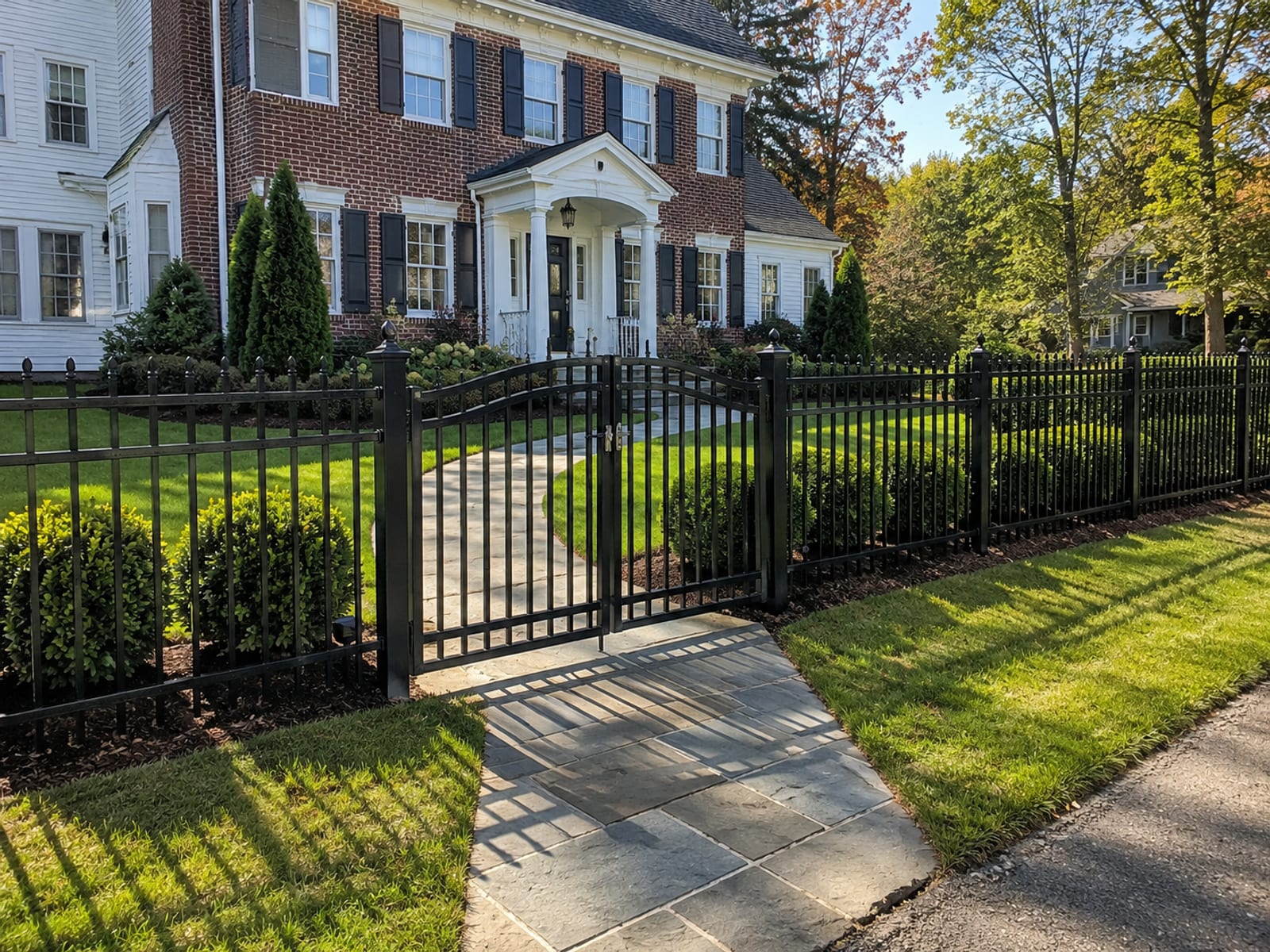
Finished black powder-coated aluminum ornamental fence along the front of a New England colonial home with a stone walkway

Get Started

Ready to talk about your project?

Call or email DLD Home Improvements, or request an estimate. Available Monday through Friday and weekends, 8 AM to 8 PM, with emergency service when you need it.