The Northeast puts real stress on outdoor spaces. Winters are hard, spring thaw moves soil, and summers can go long stretches without rain. Landscaping that isn't designed with those conditions in mind looks rough by late fall and doesn't recover well in spring. That cycle costs more money over time than doing it right the first time.
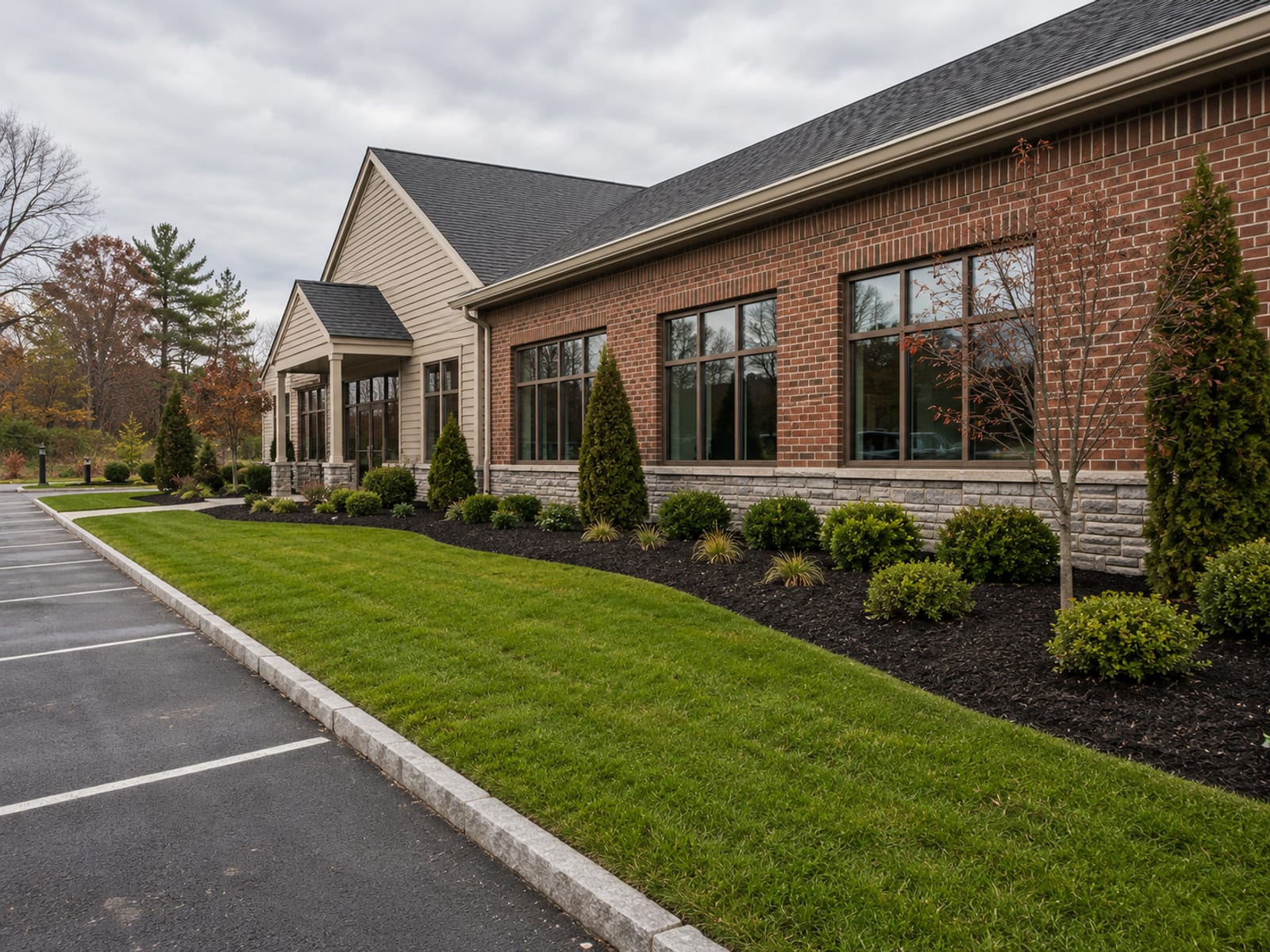
Property managers and commercial owners feel this most directly. When the outdoor areas around a building look neglected, it reflects on the whole property. Tenants notice, visitors notice, and it affects how people perceive the value of what's inside. A clean, well-maintained exterior communicates that a property is cared for, and that matters whether you're managing an apartment complex, a commercial strip, or a facility with multiple access points.
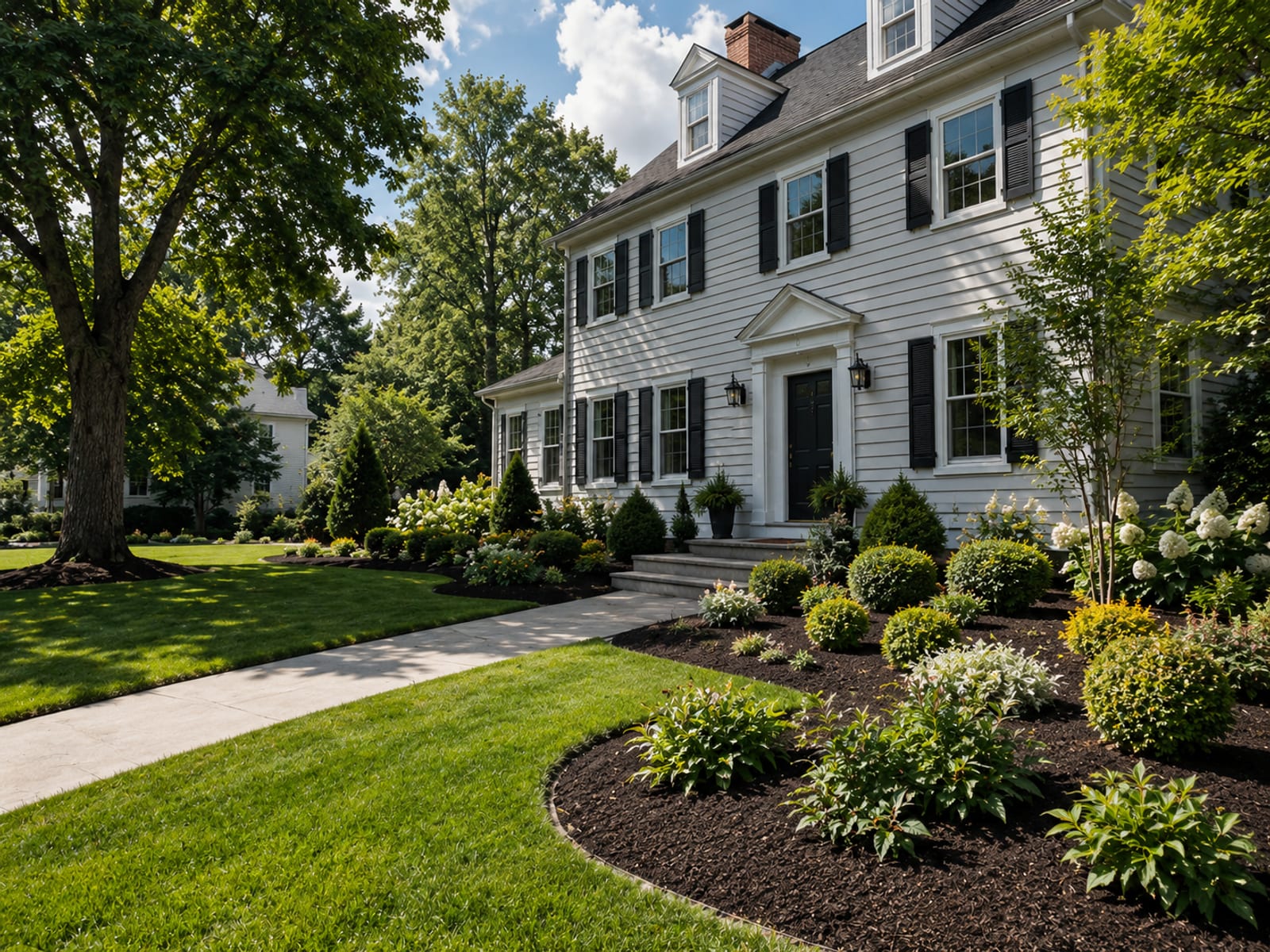
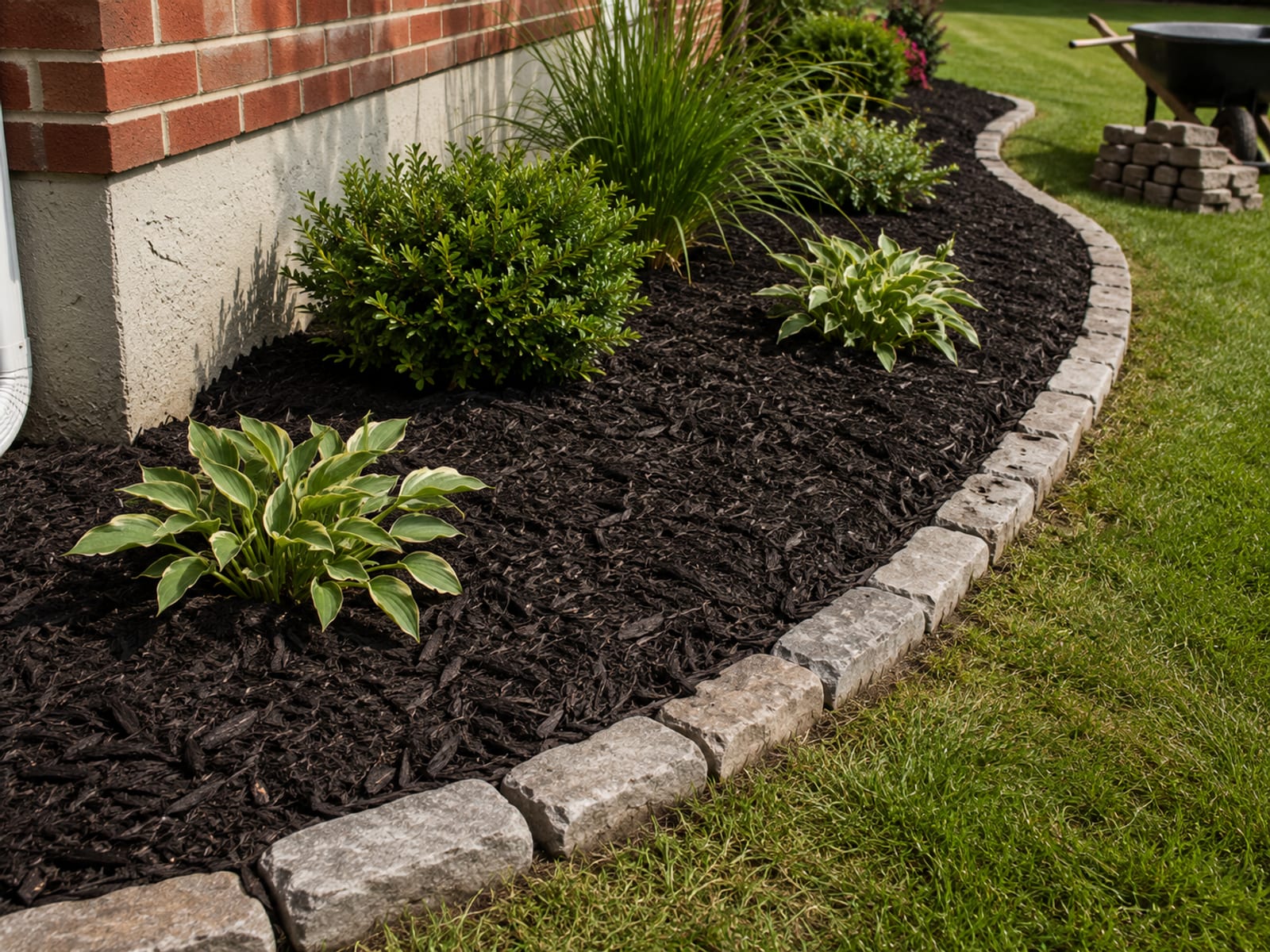
For residential homeowners, good landscaping is also about function. Proper grading keeps water draining away from your foundation. Clean planting beds with fresh mulch reduce weed pressure and hold soil moisture through dry spells. Edged walkways and clear sight lines make a yard feel larger and more organized. These aren't decorative touches; they're practical improvements that make the space work better.
Across the region, property owners are increasingly moving toward lower-maintenance approaches that still look great year-round. That means selecting the right plants for the right spots, using natural materials like stone and gravel that don't require constant upkeep, and designing outdoor areas with seasonal durability in mind.